
Functional Medicine for
Heart Disease and Cardiovascular Health
Identifying and Correcting the Root Causes of Cardiometabolic Dysfunction
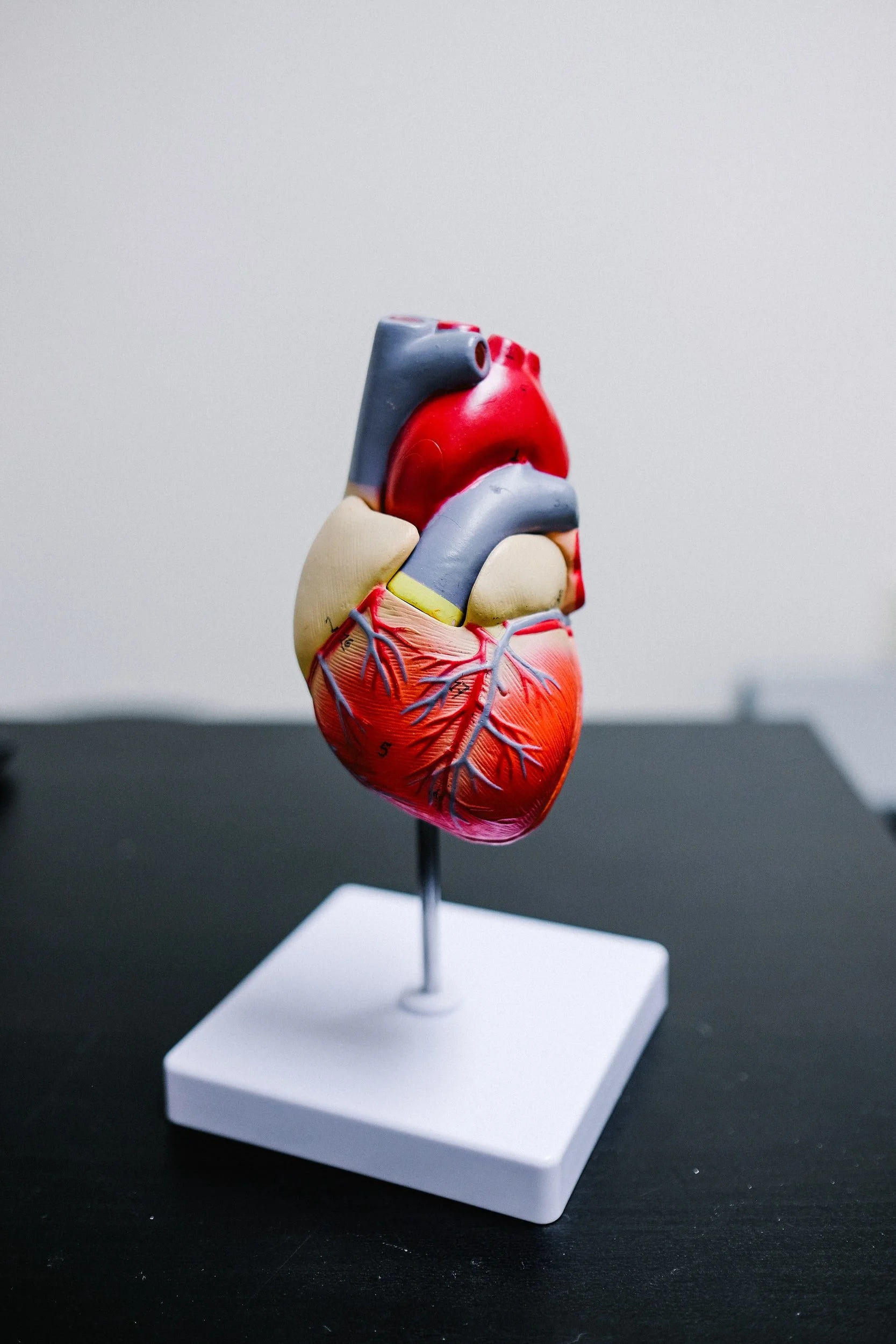
Cardiovascular disease remains the leading cause of death worldwide, yet many people still think of heart problems as only a few conditions such as high blood pressure, high cholesterol, heart attacks, or stroke.
In reality, cardiovascular health involves the entire circulatory system — including the heart, arteries, veins, blood flow, oxygen delivery, inflammation levels, and metabolic health. When any part of this system becomes dysfunctional, it can create stress on the heart and increase the risk of serious disease over time.
Functional medicine approaches cardiovascular health differently than conventional care. Instead of focusing only on controlling numbers like cholesterol or blood pressure, the goal is to identify and correct the underlying drivers of cardiometabolic dysfunction.
These root causes often include:
Chronic inflammation
Blood sugar and insulin imbalance
Oxidative stress
Nutrient deficiencies
Hormone imbalances
Environmental toxins
Poor gut health and microbiome disruption
Chronic stress and poor sleep
Sedentary lifestyle and metabolic dysfunction
When these underlying factors are addressed, it becomes possible to support healthier blood vessels, improve circulation, stabilize metabolic function, and reduce strain on the cardiovascular system.

The biggest “Drug” to prevent or reverse heart disease isn’t a medication.
Dr. Mark Hyman
Why Heart Disease Is Increasing Worldwide

Heart disease is not a new problem, but the global burden of cardiovascular disease has grown dramatically over the past several decades. Despite major advances in modern medicine, cardiovascular disease remains the leading cause of death worldwide, responsible for more deaths than cancer, respiratory disease, or infectious diseases.
According to the World Health Organization (WHO), approximately 19.8 million people died from cardiovascular disease in 2022, representing about 32% of all deaths worldwide.
Even more concerning is how rapidly the number of people living with cardiovascular disease has increased.
Global estimates show:
1990: ~320 million people living with cardiovascular disease
2000: ~400 million people
2010: ~490 million people
2023: over 650 million people globally living with cardiovascular disease
In other words, the number of people affected by cardiovascular disease has more than doubled since the early 1990s.
Every year, approximately 53 million people worldwide develop a new cardiovascular disease, roughly equivalent to the population of an entire large country developing heart disease annually.
Cardiovascular Disease Is Responsible for 1 in 3 Deaths
Cardiovascular disease now accounts for roughly one out of every three deaths globally, making it the most common cause of mortality in the world.
Of the nearly 20 million annual deaths from cardiovascular disease:
About 85% are caused by heart attacks and strokes
A large percentage occur before the age of 70
More than 75% occur in low- and middle-income countries
These numbers highlight how widespread cardiovascular disease has become and why it represents one of the largest public health challenges of modern medicine.
For detailed global data, see:
WHO cardiovascular disease fact sheet
https://www.who.int/news-room/fact-sheets/detail/cardiovascular-diseases-(cvds)Global cardiovascular disease data
https://ourworldindata.org/cardiovascular-diseases

Insulin resistance and blood sugar dysregulation
Obesity and visceral fat accumulation
Sedentary lifestyle and lack of physical activity
Poor diet and highly processed foods
Omega-3 fatty acid deficiency
Air pollution exposure
Magnesium deficiency
Vitamin D deficiency
B-vitamin deficiencies affecting homocysteine metabolism
Oxidative stress and free radical damage
Gut microbiome imbalance (dysbiosis)
Chronic infections
Environmental toxin exposure
Heavy metal accumulation

The Burden of Heart Disease Is Growing
Even though some countries have improved survival rates through better medical treatments, the overall global burden of cardiovascular disease continues to rise.
For example:
Between 2000 and 2019, the total burden of cardiovascular disease (measured in disability-adjusted life years) increased by about 24% worldwide.
Global deaths from cardiovascular disease increased from around 14 million in 2000 to nearly 18 million by 2019.
This increase is driven by several factors:
Endocrine disrupting chemicals
Hormonal imbalances
Chronic psychological stress
Autonomic nervous system imbalance
Poor sleep and circadian rhythm disruption
Smoking and nicotine exposure
Excess alcohol consumption
Chronic dehydration
Aging vascular endothelium and reduced nitric oxide production

Think of a piece of metal sitting outside. When that metal is exposed to air and water over time, it begins to oxidize and eventually rust.
A similar process can occur inside the body.
In this example, cholesterol is like the piece of metal. Inflammation — which is often the real underlying problem — is like the air and water that cause oxidation. When inflammation is present in the blood vessels, it can damage the lining of the arteries and trigger processes that lead to plaque formation.
In other words, it is not simply the presence of cholesterol that leads to plaque buildup, but the inflammatory environment surrounding it. When chronic inflammation is present, cholesterol particles are more likely to become damaged and contribute to the development of arterial plaque over time.
Early Warning Signs of Cardiovascular Dysfunction
Cardiovascular disease often develops slowly and silently over many years. Long before a heart attack, stroke, or major diagnosis occurs, the body frequently shows subtle warning signs that circulation, metabolism, and vascular function are beginning to decline.
Unfortunately, many of these early symptoms are often overlooked or attributed to aging, stress, or lifestyle. From a functional medicine perspective, these signals can provide important clues that the cardiovascular system is under strain and may benefit from further evaluation.
Some of the early warning signs of cardiovascular dysfunction may include:
Fatigue or Low Energy
When the cardiovascular system is not delivering oxygen and nutrients efficiently to tissues, people may experience persistent fatigue or reduced stamina. This can occur even when basic blood work appears normal.
Cold Hands and Feet
Poor circulation can cause reduced blood flow to the extremities. Individuals may frequently notice cold fingers, cold toes, or difficulty warming their hands and feet even in comfortable temperatures.
Brain Fog or Difficulty Concentrating
The brain requires a continuous supply of oxygen and nutrients through healthy blood flow. Impaired circulation, inflammation, or metabolic dysfunction can sometimes contribute to problems with memory, concentration, and mental clarity.
Shortness of Breath with Mild Activity
Becoming unusually winded during activities such as walking up stairs or light exercise may indicate reduced cardiovascular efficiency or impaired oxygen delivery.
Frequent Headaches or Migraines
Changes in vascular tone, inflammation, or impaired circulation can contribute to headaches and migraines in some individuals.
Dizziness or Lightheadedness
Episodes of dizziness may occur when blood pressure regulation or blood flow to the brain becomes unstable.
Chest Tightness or Discomfort
Not all cardiovascular symptoms present as severe chest pain. Some individuals experience mild chest pressure, tightness, or discomfort that may come and go.
Erectile Dysfunction
Erectile dysfunction is sometimes one of the earliest indicators of vascular disease. The small blood vessels involved in erectile function can become affected by circulation problems before larger arteries show symptoms.
Swelling in the Legs or Ankles
Fluid retention in the lower extremities, known as edema, can occur when circulation or heart function is impaired.
Exercise Intolerance
Individuals may notice that physical activities that once felt easy become increasingly difficult. Reduced cardiovascular fitness or impaired oxygen delivery may contribute to this change.

The Cardiometabolic Syndrome Connection
Many people think of heart disease as a problem that begins in the heart or arteries. However, in many cases cardiovascular disease actually begins years or even decades earlier with metabolic dysfunction.
This cluster of metabolic abnormalities is often referred to as cardiometabolic syndrome (also called metabolic syndrome). It describes a group of conditions that tend to occur together and significantly increase the risk of heart disease, stroke, and type 2 diabetes.
Cardiometabolic syndrome typically includes several of the following factors:
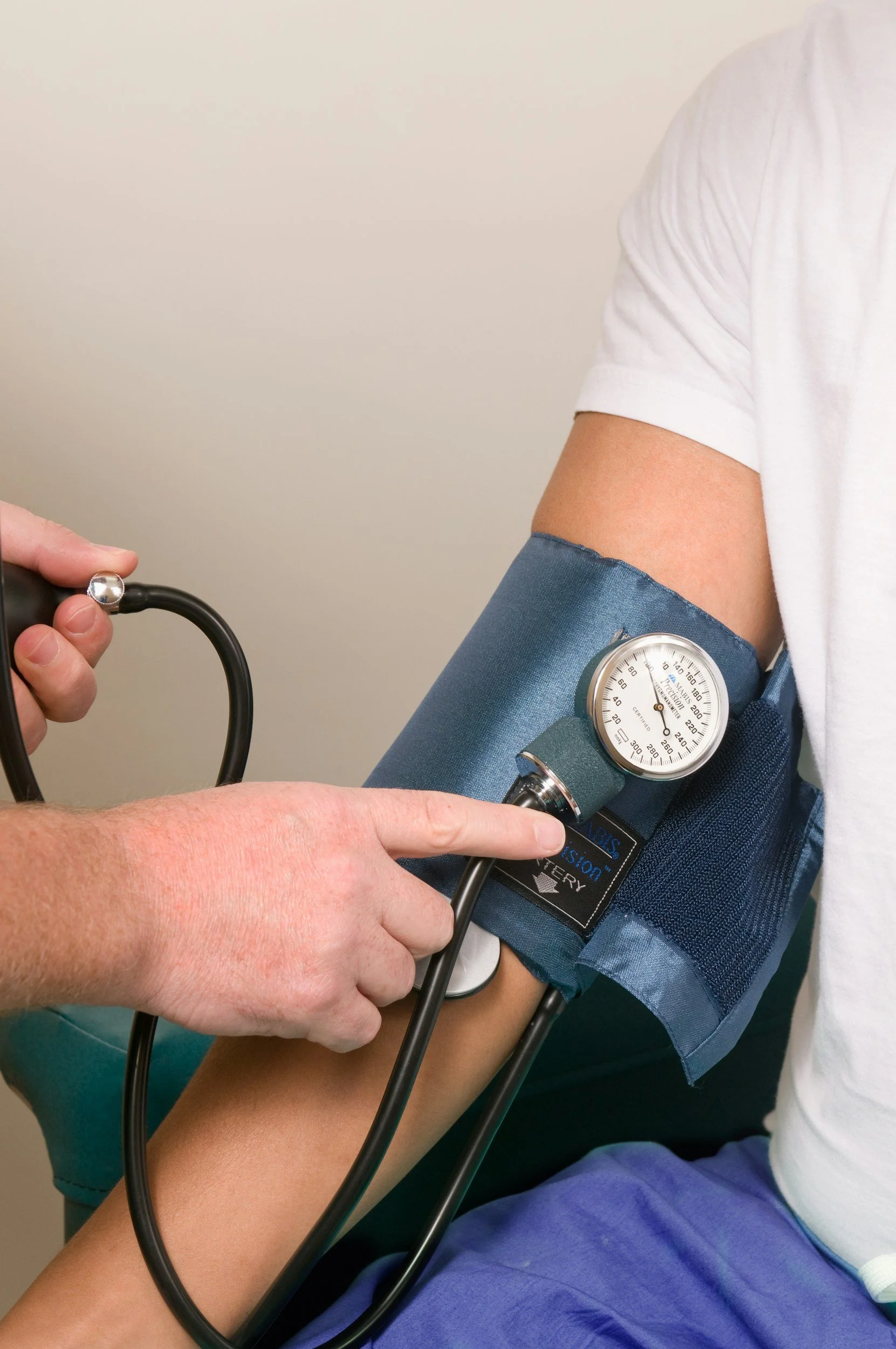
Elevated blood pressure (hypertension)
Elevated fasting blood glucose or insulin resistance
High triglycerides
Low HDL cholesterol (“good cholesterol”)
Abdominal or visceral obesity
Chronic low-grade inflammation
When several of these conditions occur together, the risk of cardiovascular disease rises dramatically.

How Cardiometabolic Dysfunction Affects the Cardiovascular System
The metabolic disturbances associated with cardiometabolic syndrome can gradually damage blood vessels and impair cardiovascular function.
For example:
Insulin Resistance
When cells become resistant to insulin, blood sugar levels remain elevated for longer periods of time. High glucose and insulin levels can damage the inner lining of blood vessels, known as the endothelium.
Chronic Inflammation
Metabolic dysfunction often leads to persistent low-grade inflammation throughout the body. Inflammation can weaken arterial walls, promote plaque formation, and increase the likelihood of blood clot formation.
Abdominal Fat and Hormonal Signals
Visceral fat around the abdomen is metabolically active and releases inflammatory signaling molecules that can contribute to vascular damage and metabolic disruption.
Elevated Triglycerides and Lipid Imbalance
Abnormal lipid metabolism can increase the likelihood of plaque buildup in arteries, especially when combined with inflammation and oxidative stress.
Over time, these metabolic disturbances can create an environment that promotes atherosclerosis, arterial stiffness, and impaired circulation, which are key drivers of heart attacks and strokes.
Why Cardiometabolic Syndrome Is Becoming More Common
Rates of cardiometabolic syndrome have increased significantly over the past several decades. Modern lifestyle factors play a major role in this trend.
Several contributors include:
Highly processed diets high in sugar and refined carbohydrates
Excess caloric intake and weight gain
Sedentary lifestyles and lack of physical activity
Chronic psychological stress
Poor sleep quality and circadian disruption
Gut microbiome imbalance
These factors place continuous stress on the body's metabolic systems and gradually impair its ability to regulate blood sugar, lipids, and inflammation.

A Root-Cause, Multifactorial Approach to Cardiovascular Health
Cardiovascular disease rarely develops from a single cause, and it rarely improves by addressing only one factor. From a functional medicine perspective, heart disease is typically the result of multiple biological systems becoming imbalanced over time. These imbalances may involve metabolism, inflammation, circulation, hormones, nutrient status, environmental exposures, stress physiology, and lifestyle patterns.
Because of this, improving cardiovascular health often requires a multifactorial approach.
Rather than focusing on only one marker such as cholesterol or blood pressure, functional medicine evaluates the broader physiological environment that influences cardiovascular function. This may include areas such as:
Inflammation and immune system activity
Blood sugar regulation and insulin sensitivity
Lipid metabolism and particle quality
Nutrient deficiencies affecting vascular health
Gut microbiome balance and digestive health
Hormonal balance
Environmental toxin exposure
Stress physiology and nervous system regulation
Sleep quality and circadian rhythm
Physical activity and metabolic conditioning

Each of these factors can influence the health of the arteries, the efficiency of circulation, and the resilience of the cardiovascular system.
However, because so many factors can contribute to cardiovascular disease, it is rarely practical or necessary to address everything at once. A key part of the functional medicine approach is identifying which factors are most significant for each individual patient.
For some people, the primary drivers may be metabolic dysfunction and insulin resistance.
For others, chronic inflammation, toxin exposure, hormonal imbalances, or gut health disturbances may play a larger role.
The goal is to identify the most important contributors in each individual case and prioritize the interventions that are likely to provide the greatest benefit. By focusing on the areas that matter most, meaningful improvements in cardiovascular health can often be achieved more efficiently and sustainably.
Taking the Next Step Toward Better
(Functional Medicine) Cardiovascular Health

Heart disease is one of the most common and serious health challenges facing modern populations, but it is also one of the areas where early intervention and lifestyle changes can make a profound difference.
By identifying underlying imbalances early and addressing the root causes that drive cardiovascular dysfunction, it is often possible to support healthier circulation, improve metabolic health, and reduce long-term cardiovascular risk.
If you are experiencing symptoms, have risk factors for cardiovascular disease, or simply want a more comprehensive evaluation of your heart and metabolic health, a functional medicine approach may help provide deeper insight into the factors influencing your cardiovascular system.
A comprehensive evaluation can help identify the underlying drivers of dysfunction and guide a personalized plan designed to support long-term cardiovascular health, resilience, and overall well-being.

Some last parting thoughts
Sudden cardiac death is responsible for half of all heart disease deaths. This essentially means that in 50% of cases, the first sign of a heart attack is death. Just because you don’t have symptoms doesn’t mean that its not a problem. Don’t be a statistic. An ounce of prevention is worth a pound of cure.
Recommended reading: