
Functional Medicine for
Lyme Disease and Complex Chronic Infection
Addressing the Multi-System Effects of Persistent Infection

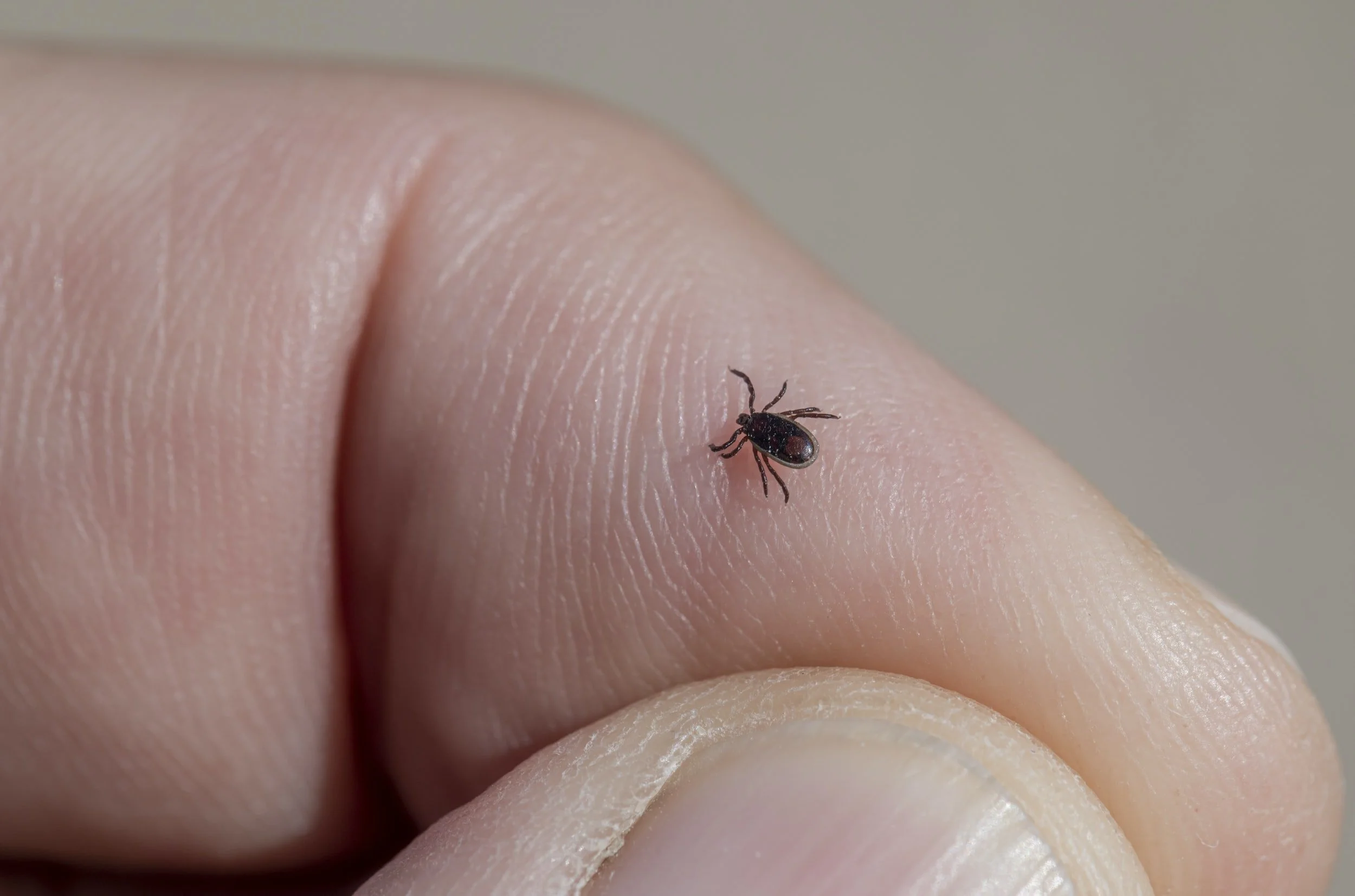
When Lyme (or a Complex Chronic Infection) Takes Over Your Life
It feels like almost everyone you know has either had Lyme disease themselves or knows someone who has. And the numbers back that up.
Lyme disease (also called MSIDS – Multiple Systemic Infectious Disease Syndrome) is the fastest-spreading vector-borne illness in the United States and Europe. The CDC now estimates that approximately 476,000 Americans are diagnosed and treated for Lyme disease each year, with over 89,000 cases officially reported in 2023 alone. Cases have expanded dramatically across the country, and the illness is no longer limited to the Northeast.
At Premier Integrative Functional Medicine, we see the real human side of this epidemic every week — people who feel like they’re “falling apart” with symptoms that conventional medicine often can’t fully explain or resolve.
Lyme is known as the “Great Imitator” because it can mimic dozens of other conditions, from fibromyalgia and chronic fatigue to autoimmune diseases, neurological disorders, and even psychiatric issues. Standard lab testing can be unreliable, especially in chronic or late-stage cases, which is why many people go undiagnosed or misdiagnosed for years.
The Problem with the Traditional Approach to Lyme and Complex Chronic Infections
Conventional medicine typically focuses on a short course of antibiotics for acute Lyme. While this can be very helpful in early, straightforward cases, many patients are left with persistent symptoms even after treatment.
For those with chronic or complex Lyme (or co-infections), the standard approach often falls short because it doesn’t address the full picture: biofilms, multiple strains of Borrelia, co-infections, immune dysregulation, inflammation, hormonal imbalances, heavy metals, mold exposure, detoxification issues, sleep disruption, and more.
The result? Ongoing fatigue, brain fog, joint pain, neurological symptoms, and a cycle of frustration that can last for years.
Why Functional Medicine for Lyme Disease?
Functional medicine shines with complex, multi-system conditions like Lyme and chronic infections because it asks the deeper question: “What is driving the persistent dysfunction in this person’s body?”
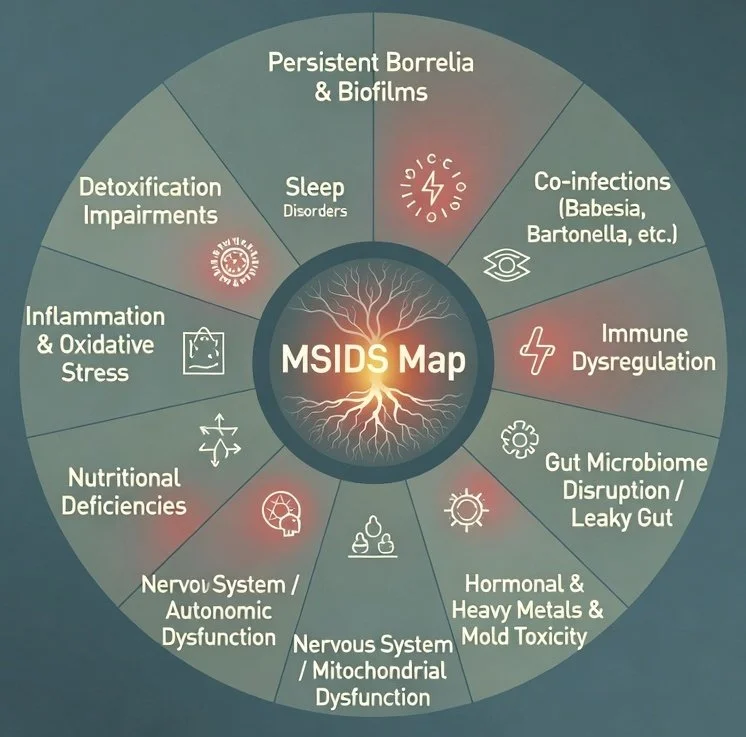
We use a comprehensive, root-cause approach that looks at the entire “MSIDS map” — addressing the 16+ factors that most impact recovery. As one leading model describes it:
“Treating all 3 forms of Borrelia, while addressing biofilms, co-infections, inflammation, immune dysfunction, hormonal abnormalities, heavy metals, mold & neurotoxins, detoxification problems, sleep disorders, food sensitivities, autonomic nerve dysfunction, and nutritional deficiencies are the most commonly found abnormalities on the Lyme (MSIDS) map that have the greatest impact on regaining health.”
In practice, this means addressing the most impactful categories on the MSIDS 16-point map:
Persistent pathogens and biofilms
Co-infections
Immune dysregulation and autoimmunity
Gut microbiome disruption and leaky gut
Hormonal and mitochondrial dysfunction
Heavy metals and mold toxicity
Nervous system dysregulation (autonomic dysfunction)
Detoxification pathway impairments
Sleep disorders and nutritional deficiencies
This systems-based strategy is not unique to Lyme — it’s how properly trained functional medicine practitioners approach any chronic illness. Once the underlying burdens are lifted, the body’s own healing mechanisms can finally work again.

Common Symptoms of Lyme and Complex Chronic Infections
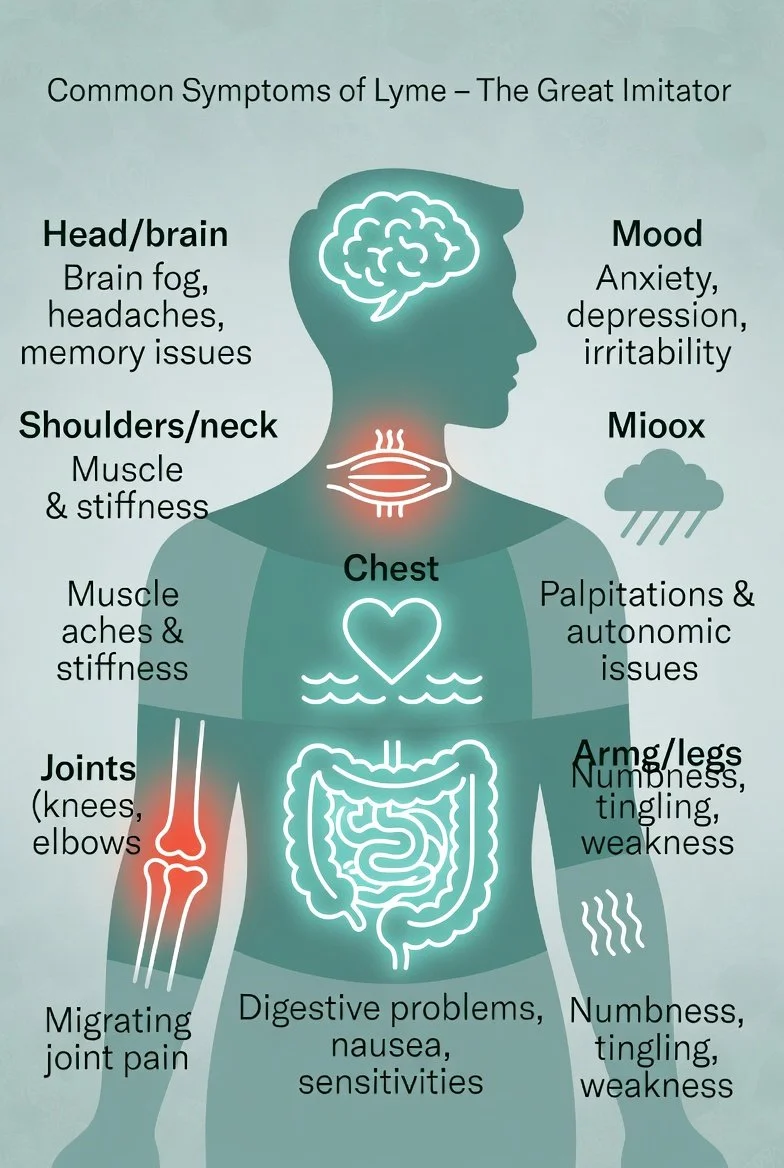
Lyme is called the Great Imitator because its symptoms can look like many other conditions. People often tell us they’ve been treated for everything except Lyme.
Some of the most common symptoms we see include:
Extreme fatigue that doesn’t improve with rest
Migrating joint pain or muscle aches
Brain fog, memory issues, or difficulty concentrating
Neurological symptoms (numbness, tingling, headaches, dizziness)
Mood changes, anxiety, depression, or irritability
Sleep disturbances or insomnia
Chronic inflammation or autoimmune-like flares
Digestive issues (IBS-like symptoms, nausea, food sensitivities)
Skin rashes or sensitivities
Heart palpitations or autonomic dysfunction
Hormonal imbalances (thyroid, adrenal, sex hormones)
If you’ve been chasing symptoms across multiple specialists with limited success, Lyme or a complex chronic infection may be part of the puzzle.
Tick Prevention Strategies That Actually Work
Prevention is one of the most powerful tools we have. Here are practical, evidence-based strategies:
Perform full-body tick checks daily (especially after being outdoors) — pay close attention to the scalp, armpits, groin, and behind the knees.
Perform full-body tick check on pets daily as well.
Wear light-colored clothing with long sleeves and tuck pants into socks when in wooded or grassy areas.
Use EPA-registered repellents containing picaridin, or oil of lemon eucalyptus.
Treat clothing, gear, and shoes with permethrin (highly effective and lasts through several washes).
Keep lawns short and clear leaf litter and brush around your property to reduce tick habitat.
Shower within 2 hours of coming indoors — this can wash off unattached ticks.
Dry clothes on high heat for 10 minutes to kill any ticks that may be hiding.
Why Choose Functional Medicine for Lyme and Complex Chronic Infections?
At Premier Integrative Functional Medicine, we use a comprehensive, individualized approach that goes far beyond antibiotics alone. Treatment typically includes:
Advanced functional testing (specialized Lyme panels, co-infection testing, gut microbiome analysis, toxin screens, hormone panels, etc.)
Personalized antimicrobial support (herbal, pharmaceutical, or combination when appropriate)
Biofilm disruption protocols
Gut healing and microbiome restoration
Detoxification support
Immune system modulation
Hormonal and mitochondrial support
Nervous system regulation (vagus nerve, autonomic balance)
Nutritional optimization and targeted supplementation
Lifestyle and stress management strategies
We move at your pace and adjust the plan based on how your body responds. Many patients who felt “stuck” for years begin to see steady, meaningful progress once all the layers are addressed.
Ready to Finally Address the Root Causes? Call Now for Your Free Discovery Call — Speak with our team today.
FAQ – Common Questions About Functional Medicine for Lyme Disease
-
Yes. While terminology can vary, persistent symptoms after Lyme exposure are well-documented and are often linked to ongoing immune activation, co-infections, and other burdens.
-
Not always. Because standard testing can miss chronic cases, we combine clinical history, symptoms, and specialized testing when appropriate.
-
Every case is different. The timeline depends on how long the infection has been present, how many root causes and co-factors are involved (biofilms, co-infections, toxins, gut issues, etc.), and how consistently you can implement the protocol. Some patients notice meaningful improvements in 3–6 months; others with more complex cases may need 12–24 months or longer. Setbacks from stress, new exposures, or life events are normal. The key is steady, personalized progress rather than a quick fix.
-
Not usually. We prioritize herbal antimicrobials, supportive therapies, and lifestyle interventions first, reserving pharmaceuticals only when truly needed.
-
Absolutely. Many come to us after partial improvement elsewhere, looking for a more comprehensive root-cause plan.
Recommended Reading: