
Functional Medicine for
Skin Conditions
Your skin is an outward expression of your internal health.
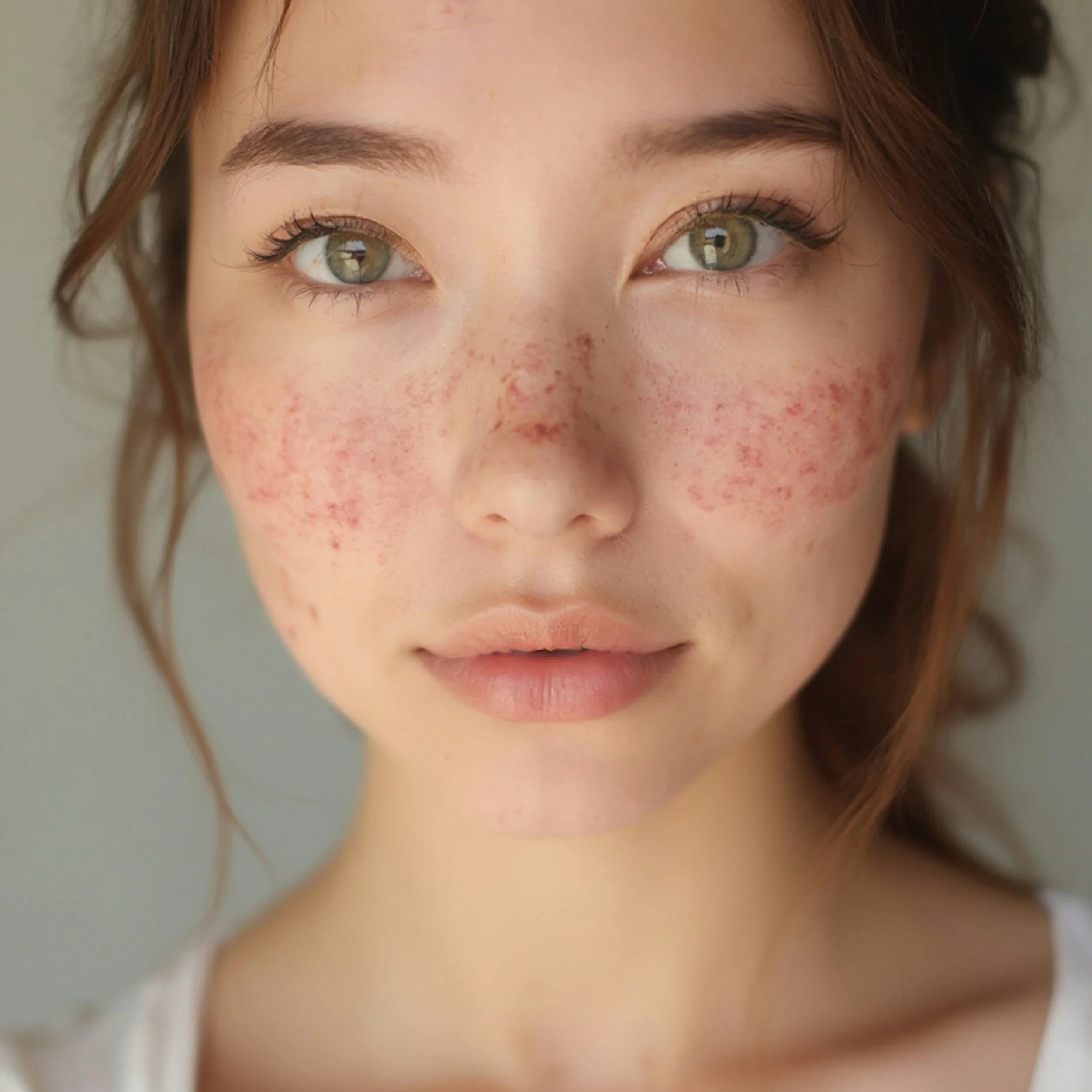
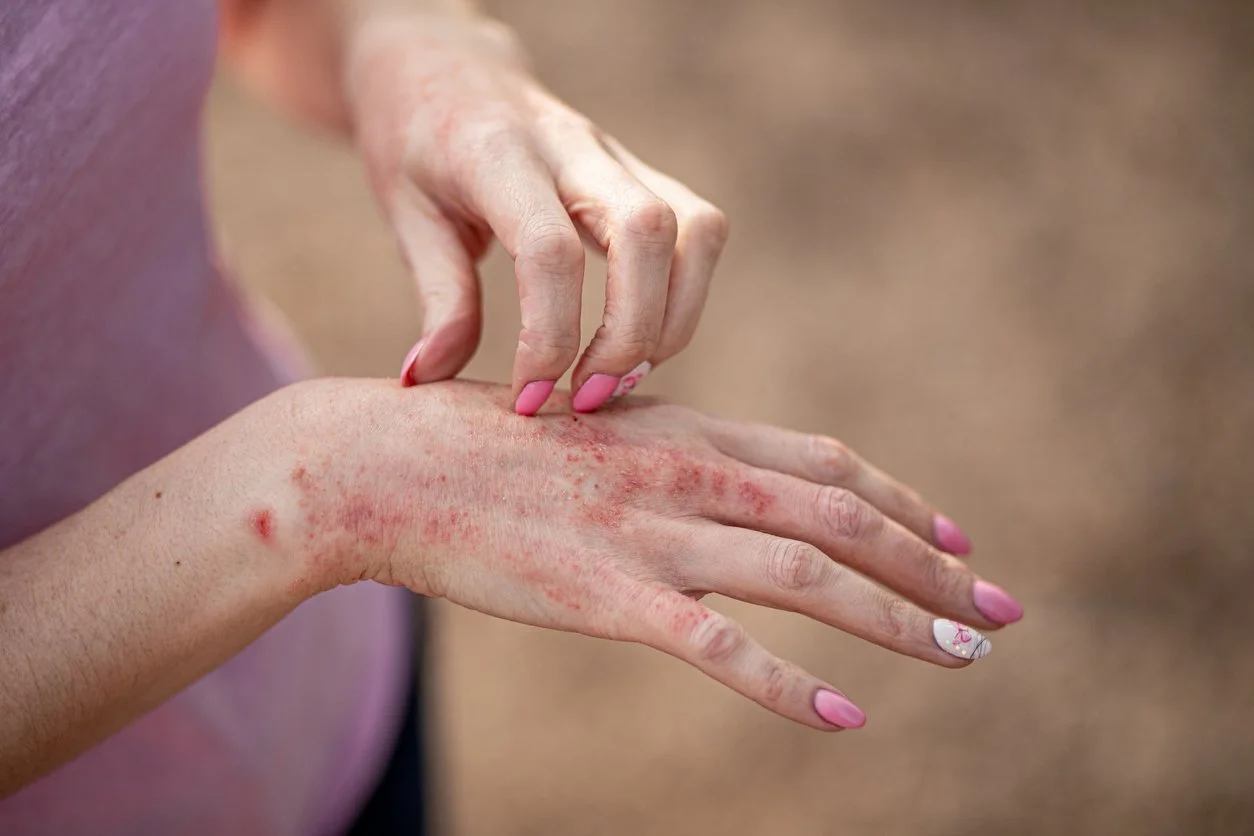
Healing chronic skin conditions is one of the most common—and most successful—outcomes we see at Premier Integrative & Functional Medicine.
Every day, we work with patients struggling with issues like acne, eczema, psoriasis, rosacea, and unexplained skin inflammation that hasn’t responded to conventional treatments.
While medications and topical treatments can sometimes provide temporary relief, they often focus on managing symptoms rather than addressing the root cause.
Our functional medicine approach is different.
We look at the body as an interconnected system—because your skin is not the problem, it’s the messenger.
By identifying and correcting underlying imbalances such as gut dysfunction, hormone disruption, and impaired detoxification, we help restore balance internally—so your skin can heal naturally and sustainably.
Natural, root-cause methods of healing often deliver long-lasting results with far less invasiveness than conventional options for the most common skin issues we work with.
Fun Facts & Surprising
Fun Facts
Your skin is more than just a covering — it’s a powerful window into your internal health. Here are some eye-opening facts (plus recent research) that show why taking care of it from the inside matters:
It’s the largest organ in your body and makes up about 15% of your total body weight.
There are three layers of skin (epidermis, dermis, and hypodermis) and two main types (thick and thin).
Roughly 50% of household dust is actually dead skin cells.
Good fats from your diet play a key role in keeping skin healthy and hydrated.
Babies can take up to six months to develop their permanent skin color.
Boils are caused by bacterial infections deep in hair follicles.
You can sweat as much as three gallons per day under the right conditions.
Breasts are a modified type of sweat gland.
Surprising statistics:
Skin conditions are incredibly common—and often deeply connected to internal health.
Up to 60% of people with psoriasis also meet criteria for metabolic syndrome, highlighting the strong link between internal inflammation and skin flare-ups.
The gut-skin axis is now well-documented: dysbiosis (imbalanced gut bacteria) is strongly associated with acne, eczema, and psoriasis. Restoring gut balance through functional approaches has shown measurable improvement in skin severity scores.
Dietary and lifestyle interventions (core to functional medicine) can reduce symptom severity in atopic dermatitis, acne, and psoriasis.
Acne affects up to 50 million Americans annually
Eczema impacts over 31 million people in the U.S.
These numbers explain why so many patients finally find lasting relief when they stop chasing symptoms and start healing the root.
Here is a list of some of the most common issues we treat naturally in our office.
Acne - hormonal, cystic, adult-onset
Rosacea
Lupus
Cold Sores
Psoriasis
Eczema
Hives - chronic urticaria
Candidiasis
Impetigo
Canker Sores
Herpes
Fungal Nail Infections
Shingles
Warts
Unexplained rashes or itching
Why Healing Skin Conditions Is So Successful at Premier IFM
Three Big Reasons Patients See Faster, More Lasting Results

Reason #1:
High Motivation Skin conditions are visible to everyone. The social and emotional impact creates powerful motivation to stick with a root-cause plan — and that consistency leads to real, lasting change.

Reason #2:
Early Warning System Your skin often shows the first signs of internal imbalance (thyroid issues, gut problems, hormone shifts). Catching and correcting these early prevents bigger health concerns down the road — and gives you faster visible results.

Reason #3:
Quick Positive Feedback When balance is restored, skin often improves dramatically and quickly. That visible progress keeps you motivated to continue and achieve even deeper wellness.
Why Choose Functional Medicine for Skin Conditions?
Conventional dermatology often focuses on managing symptoms with topical creams, steroids, or antibiotics. While these can provide short-term relief, they rarely address the deeper imbalances that keep skin issues returning. In some cases, long-term or repeated use may also come with downsides, such as skin thinning, disruption of the microbiome, or reduced effectiveness over time.
Functional medicine takes a different path. Instead of covering up the problem, we look at your skin as a reflection of your internal health. By identifying and correcting the underlying root causes — rather than just treating the surface — many patients experience clearer, more resilient skin and improved overall well-being.
This whole-body approach is especially effective for chronic conditions like acne, eczema, psoriasis, and rosacea, where inflammation, immune responses, and systemic imbalances play major roles. At Premier Integrative Functional Medicine, we combine advanced testing, personalized nutrition, lifestyle changes, and supportive therapies to help your body heal from the inside out.

Common Root Causes of Persistent Skin Issues
Most skin conditions we see in our office are not random — they are symptoms of deeper imbalances in the body. Your skin is highly responsive to what’s happening internally, which is why addressing the root often leads to faster and more lasting improvement.
Here are the three primary areas we investigate and support:
Hormone Imbalances (Including Thyroid Function) Hormones have a powerful influence on skin health. Excess androgens, estrogen dominance, or low thyroid activity can trigger or worsen acne, dryness, rosacea, and flare-ups. Many patients discover that what looked like a “skin-only” problem was actually an early signal of hormonal shifts. Correcting these imbalances often brings noticeable changes in skin clarity and texture.
Digestion and Gut Health — The Gut-Skin Axis Emerging research strongly supports the gut-skin connection. When the gut microbiome is imbalanced (dysbiosis) or the intestinal barrier is compromised, it can drive systemic inflammation that shows up on the skin. Studies have linked gut dysbiosis to acne, atopic dermatitis (eczema), psoriasis, and rosacea. Restoring gut balance through targeted nutrition, probiotics, and healing protocols has helped many patients reduce inflammation and see clearer skin.
Detoxification Pathways Your skin is one of the body’s major detox organs. When the liver, lymph system, or bowels are overburdened, toxins and excess hormones can be pushed out through the skin, contributing to rashes, acne, or eczema. Supporting healthy detoxification helps lighten this load and reduces the burden on your skin.
Other contributing factors we commonly explore include food sensitivities, nutrient deficiencies, chronic stress, and environmental exposures. Because every person is unique, we use comprehensive labs and a detailed health history to create a personalized plan rather than a generic protocol.
Advanced Supportive Therapies at Premier IFM
In addition to addressing root causes through nutrition, supplements, and lifestyle changes, we offer in-office therapies that complement the healing process:
Infrared Sauna therapy can be a supportive tool for overall skin health by gently promoting detoxification through sweating, improving circulation, and helping to calm inflammation. The infrared heat increases blood flow to the skin, delivering more oxygen and nutrients while also supporting the removal of waste products, which can contribute to a clearer, healthier complexion. At the same time, this type of heat exposure has been shown to influence inflammatory pathways and cellular repair processes, which may be especially beneficial for individuals dealing with chronic skin conditions. Many people with psoriasis or eczema report that with consistent use, they experience less itching, improved skin comfort, and a more balanced skin barrier, likely due to the combined effects of enhanced circulation, reduced inflammation, and overall improved skin resilience.


Vitality Booth combines red light therapy and salt therapy to support skin health in a gentle yet effective way. Red light therapy works at the cellular level to stimulate collagen production, which can improve skin elasticity, reduce the appearance of fine lines, and support faster repair of damaged skin. It also helps calm redness and inflammation, making it beneficial for sensitive or reactive skin types. Paired with this, dry salt therapy creates a soothing environment that may help reduce surface inflammation and support the skin’s natural defenses by making it less hospitable to certain bacteria. Together, these therapies work synergistically to promote clearer, calmer, and more resilient skin over time.
These tools work synergistically with our root-cause plan, helping accelerate visible results while supporting your body’s natural healing ability.
Frequently Asked Questions
-
Yes. Functional medicine focuses on identifying and addressing the root causes of skin conditions, which often leads to more lasting improvements compared to symptom-based treatments alone. Emerging research shows that the gut microbiome plays a significant role in conditions like acne, eczema, and psoriasis, highlighting the strong connection between internal health and the skin. This relationship, known as the gut–skin axis, demonstrates how imbalances in the gut can drive systemic inflammation that shows up on the skin. By supporting gut health, reducing inflammation, and restoring overall balance, functional medicine offers a more comprehensive approach to improving skin from the inside out.
-
Common causes include gut imbalances, hormonal issues, inflammation, and impaired detoxification.
-
Many patients begin to notice improvements within a few weeks, especially as inflammation starts to calm and the body begins to rebalance. More significant changes are often seen over 2–3 months, depending on the condition and individual response. Lasting, deeper healing can take longer, as it involves addressing the underlying root causes, which vary from person to person.
-
Yes. Research shows a strong connection between gut health and skin through the gut-skin axis.
-
We prioritize natural, evidence-based therapies, including nutrition, lifestyle, and targeted supplementation.
-
Yes—diet plays a significant role in skin health. What you eat can influence inflammation, hormone balance, and the health of your gut microbiome, all of which directly affect the skin. Certain foods may trigger or worsen conditions like acne, eczema, or rosacea, while a nutrient-dense, anti-inflammatory diet can support clearer, more resilient skin. That said, diet is just one piece of the puzzle, and lasting improvements often come from addressing underlying factors like gut health, stress, and overall internal balance.