
Functional Medicine for
Neuropathy
A Root-Cause Approach to Relieving Nerve Pain, Tingling, and Numbness

Neuropathy can feel frustrating, unpredictable, and at times overwhelming. Whether you're dealing with burning sensations, tingling, numbness, or sharp nerve pain, these symptoms are your body signaling that something deeper is going on.
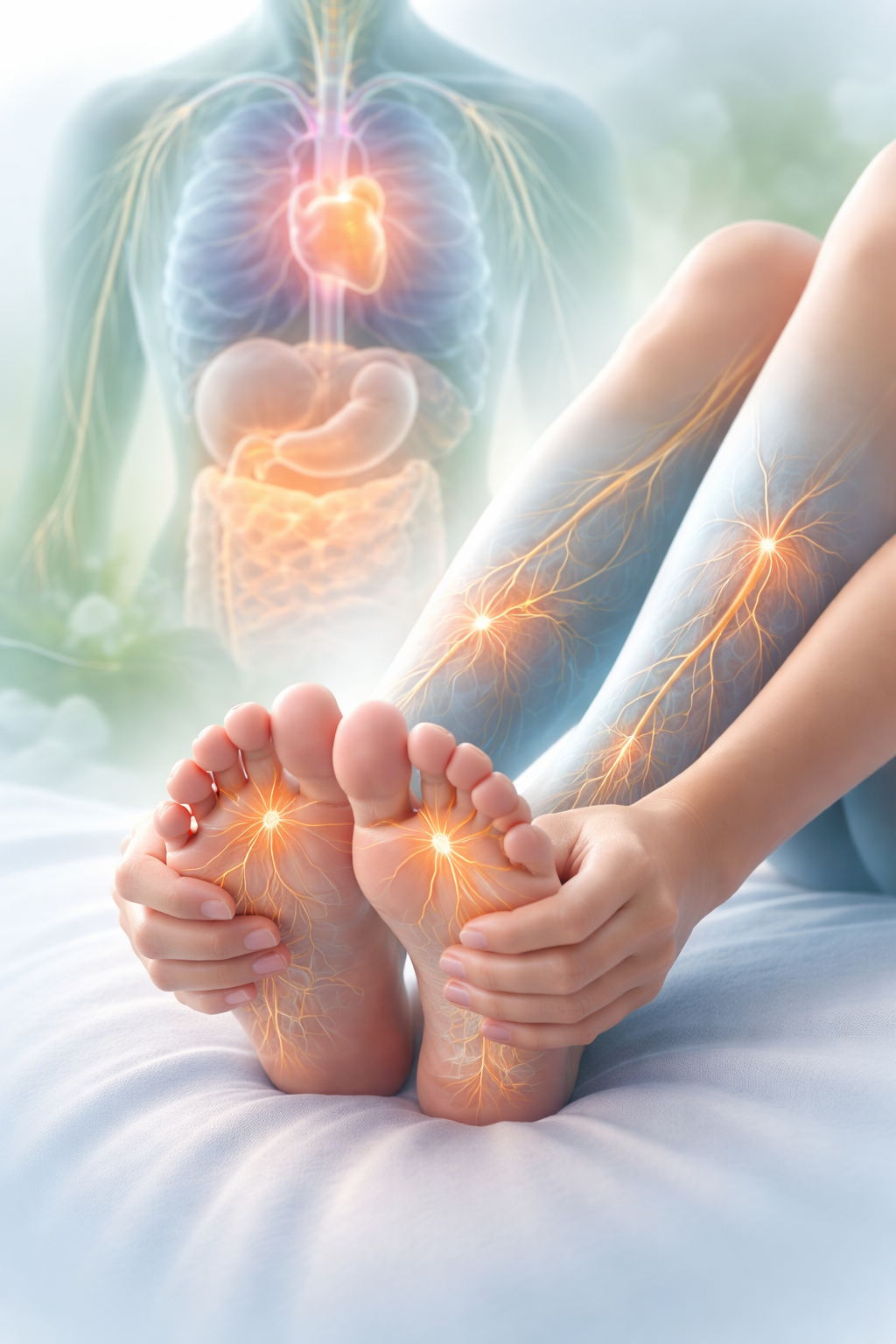
Peripheral neuropathy occurs when nerves outside the brain and spinal cord are damaged or dysfunctional — most often affecting the hands and feet, but it can also impact digestion, balance, and everyday quality of life.
Conventional treatments typically focus on managing symptoms, but at Premier Integrative Functional Medicine, we take a different approach. Instead of masking discomfort with medications, we dig deeper — identifying root causes like chronic inflammation, blood sugar imbalances, nutrient deficiencies, gut health issues, or mitochondrial dysfunction — so your body can truly heal, not just cope.
20M+
Americans living with peripheral neuropathy
30%
Of cases are labeled "idiopathic" — meaning no cause was ever found
60%
Of people with type 2 diabetes develop some form of neuropathy
50+
Known causes of neuropathy, many of which are reversible
Understanding Neuropathy: What You May Not Know
Neuropathy (also called peripheral neuropathy) occurs when nerves outside the brain and spinal cord become damaged or dysfunctional. While it’s commonly associated with diabetes, there are many lesser-known causes, including:
Chronic inflammation
Nutrient deficiencies (especially B vitamins like B12)
Toxin exposure (heavy metals, mold, chemicals)
Poor circulation
Chronic stress and mitochondrial dysfunction
What Most People Don’t Know About Neuropathy
Nerves can regenerate — given the right conditions. When the underlying damage stops and the right support is provided—your body has built-in repair mechanisms that functional medicine helps activate.
The gut-brain-nerve connection IS real: Intestinal permeability and dysbiosis (imbalanced gut bacteria) generate systemic inflammation that directly affects peripheral nerves. Healing the gut is often a critical piece of neuropathy recovery.
Blood sugar spikes — not jut diabetes — cause nerve damage: Even in pre-diabetes or “normal” fasting glucose, post-meal blood sugar spikes can damage small nerve fibers over time. This is frequently missed on standard lab panels.
Nutritional deficiencies are a major, under-screened cause: B12, B1 (thiamine), B6, folate, and magnesium are all critical to nerve function. Deficiencies — even borderline ones — can cause or dramatically worsen neuropathy symptoms.
Common medications can cause neuropathy: Metformin depletes B12. Statins can affect nerve function. Certain antibiotics, chemotherapy agents, and diuretics are also known contributors — a connection rarely discussed at follow-up appointments.
Toxin accumulatin is a frequently missed trigger: Heavy metals like mercury and lead, as well as environmental chemicals, can accumulate in nerve tissue and disrupt nerve signaling. A thorough toxic burden assessment can uncover causes that standard neurological workups miss entirely.
Standard tests often miss root causes like mitochondrial dysfunction, oxidative stress, or hidden toxins—advanced functional labs (organic acids, stool analysis, heavy metal testing) reveal them.
Many “incurable” cases improve dramatically once inflammation is lowered, nutrients are optimized, and circulation/oxygenation to nerves is restored.
How Functional Medicine Helps Neuropathy
Functional medicine takes a whole-body, systems-based approach to healing. Instead of asking "What drug manages this symptom?" we ask:
"Why are the nerves damaged in the first place?"
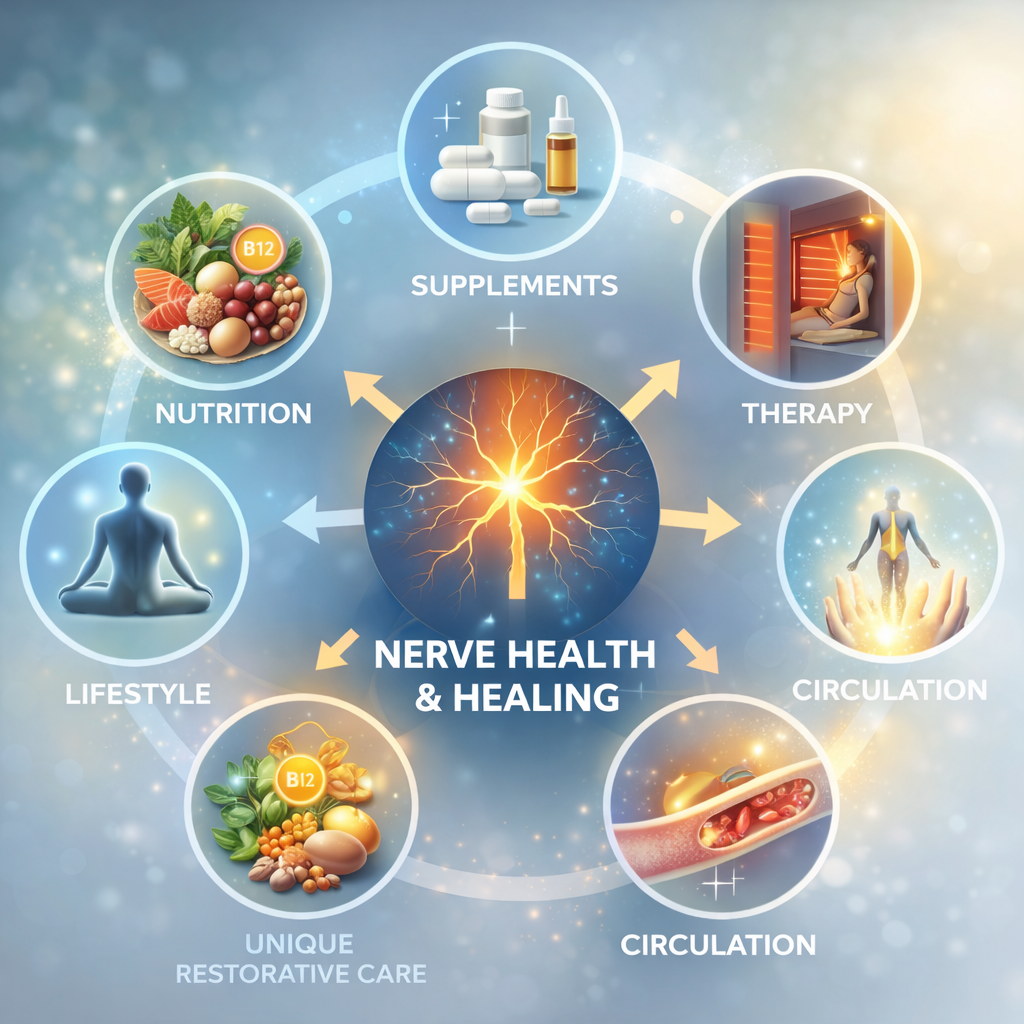
From there, we build a personalized care plan that may include:
Root-cause investigation — advanced lab testing to uncover hidden deficiencies, toxicities, blood sugar dysregulation, and gut dysfunction
Metabolic and blood sugar support — since uncontrolled glucose is one of the leading drivers of nerve damage
Anti-inflammatory nutrition and targeted supplements — including B vitamins, alpha-lipoic acid, and omega-3s shown to support nerve repair
Gut health optimization — because poor nutrient absorption directly impacts the nervous system's ability to heal
Mitochondrial and cellular repair — restoring the energy nerves need to regenerate and function
By addressing these underlying factors, we work to:
Reduce nerve inflammation
Restore healthy circulation
Improve nerve signaling and sensation
Support regeneration of damaged nerves
The result? Many patients experience reduced pain, better balance, improved sensation, and greater energy — without relying solely on medications.


Therapies We offer That Support Nerve Healing
All four of our advanced therapies have documented mechanisms that support neuropathy recovery by directly supporting nerve health, reducing pain, and promoting regeneration — particularly when combined as part of a comprehensive functional medicine plan. All are non-invasive and can be used together for synergistic results.
HBOT (Hyperbaric Oxygen Therapy)
Delivers high-concentration oxygen under pressure allowing more oxygen to reach damaged nerve tissue. Promotes angiogenesis (new blood vessel growth), reduces neuroinflammation, and has been shown to accelerate peripheral nerve repair in both diabetic and chemotherapy-induced neuropathy.
Low-Level Laser Therapy
Uses specific wavelengths of light to stimulate mitochondrial energy production (ATP) in nerve cells, reduce inflammatory cytokines, and promote nerve fiber regeneration. Clinical studies show significant improvement in pain, burning, and numbness with regular treatment.
Red Light Therapy
Works through similar mechanisms to laser therapy — penetrating near-infrared light increases circulation to the extremities, reduces oxidative stress in nerve tissue, and supports myelin repair. Particularly beneficial for the numbness and cold sensitivity common in peripheral neuropathy.
Infrared Sauna
Infrared heat penetrates deeply into tissues, improving microcirculation to the small blood vessels that feed peripheral nerves. It also promotes detoxification of heavy metals and environmental toxins through sweat — directly addressing one of the overlooked drivers of neuropathy.
Why a Multi-Therapy Approach Works Best
Neuropathy is rarely caused by a single issue—and it typically requires a combination of therapies to fully address.
By combining:
Root-cause functional medicine care
Targeted therapies
Lifestyle and nutritional support
…we create a comprehensive plan designed to restore nerve health—not just manage symptoms.
Your Questions, Answered
-
In many cases, yes — particularly when the underlying cause is identified and addressed early. Metabolic neuropathy, nutritional deficiency neuropathy, and toxin-related neuropathy often show significant improvement or full resolution when the root driver is corrected. Even in longer-standing cases, most patients experience meaningful reduction in pain, improved sensation, and better quality of life. The degree of recovery depends on how long the nerves have been damaged and which fibers are affected.
-
Conventional care often uses medications to mask pain or slow progression. Functional medicine identifies and treats the root causes (inflammation, deficiencies, gut issues, etc.) with personalized nutrition, lifestyle, testing, and supportive therapies for longer-lasting results.
-
Neurologists are trained to diagnose and manage neurological conditions, often relying on imaging, nerve conduction studies, and medications. Functional medicine complements that by going deeper into why the neuropathy developed in the first place. We run advanced labs that are rarely ordered in conventional settings, look at metabolic and inflammatory patterns, and use therapeutic interventions — including regenerative therapies — that conventional neurology typically does not offer.
-
Many patients experience significant symptom improvement and nerve function recovery when root causes are addressed and therapies like HBOT, laser/red light, and infrared sauna improve oxygenation, circulation, and cellular repair. Results vary by individual and severity, but nerves have regenerative potential.
-
Not necessarily. Your treatment plan will be customized based on your specific condition, symptoms, and underlying causes.
-
Anyone with peripheral neuropathy—whether diabetic, idiopathic, or from other causes—who wants a root-cause solution and is ready to address lifestyle factors. We welcome those who haven’t found relief with standard care.
-
Common causes include: pre-diabetes or insulin resistance, nutritional deficiencies (especially B12, B1, and B6), heavy metal toxicity, hypothyroidism, medication side effects, chronic gut inflammation, autoimmune conditions, and alcohol-related nerve damage. Many of these are reversible or significantly improvable with the right targeted approach.