Functional Medicine for
Post-Orgasmic Illness Syndrome (POIS)
Why POIS Is More Than a Hormone Issue:
Exploring Immune, Neurological, and Inflammatory Drivers
If ejaculation leaves you feeling flu-like, exhausted, or mentally foggy for days, there may be more going on than you’ve been told. Discover a root-cause approach.
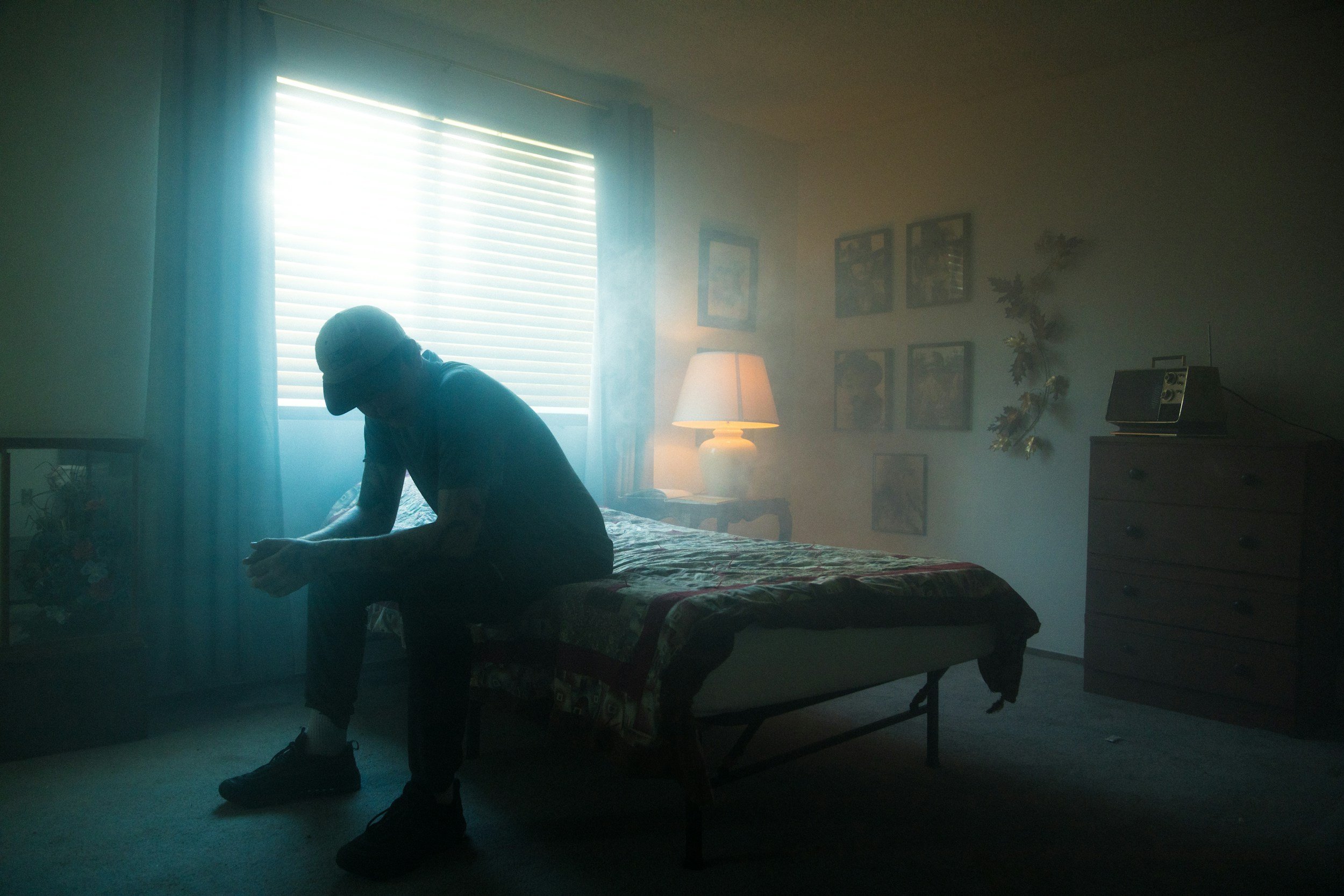
Post-orgasmic illness syndrome (POIS) is a condition that many people struggle with—but few talk about.
If you experience debilitating symptoms shortly after orgasm — whether from partnered sex, masturbation, or even nocturnal emissions — you know how life-altering Post-Orgasmic Illness Syndrome (POIS) can be.
Many men describe a sudden onset of flu-like exhaustion, brain fog, muscle weakness, irritability, nasal congestion, or mood changes that can last for days. The fear of triggering another episode often leads to avoiding intimacy, reduced quality of life, and significant emotional distress for both you and your partner.
You may have been told it’s “all in your head,” a simple hormone imbalance, or something you just have to live with. At Premier Integrative Functional Medicine, we recognize that POIS is not just a hormonal issue. It is often the result of deeper imbalances involving the immune system, nervous system, and inflammation. By identifying and addressing the underlying drivers, many men experience meaningful relief and regain control over their lives and relationships.
Understanding Post-Orgasmic Illness Syndrome
POIS is a rare but increasingly recognized condition in which a cluster of symptoms begins within seconds, minutes, or hours after ejaculation and typically lasts 2 to 7 days before resolving spontaneously.
Common symptoms fall into several clusters and may include:
Extreme fatigue, weakness, or flu-like feelings (feverishness, chills, sweating)
Cognitive difficulties — brain fog, poor concentration, memory issues, or trouble finding words
Mood changes — irritability, anxiety, or depressed mood
Muscle pain, weakness, or heaviness
Allergic-type symptoms — nasal congestion, runny nose, itchy or watery eyes, sore throat
Headache, dizziness, or lightheadedness
Symptoms occur after nearly all ejaculations (over 90% of the time) and can severely impact work, relationships, and mental health. While considered rare, POIS is likely underdiagnosed due to embarrassment and lack of awareness.


POIS vs Hormonal Fatigue: What’s the Difference?
Post-orgasmic illness syndrome (POIS) and hormonal fatigue can share similar symptoms—such as low energy, brain fog, and mood changes—but they are not the same condition.
POIS is specifically triggered after orgasm and typically causes symptoms like fatigue, brain fog, flu-like feelings, and irritability that can last for hours or even days.
Hormonal fatigue, on the other hand, is usually more constant and related to imbalances in cortisol, thyroid, or other hormones. Symptoms tend to be ongoing rather than tied to a specific trigger.
Key Differences:
POIS: Symptoms occur after orgasm and follow a predictable pattern
Hormonal fatigue: Symptoms are more persistent throughout the day
POIS: May involve immune and neurological responses
Hormonal fatigue: Primarily driven by endocrine (hormone) imbalance
Why This Matters
Because the causes are different, the approach to treatment is also different.
Functional medicine focuses on identifying whether symptoms are being driven by a triggered response (like POIS) or a chronic imbalance (like hormonal fatigue)—so the right root causes can be addressed.
Why POIS Requires Looking Beyond Hormones
Many conventional approaches focus narrowly on hormones or suggest psychological causes. While hormonal factors can play a role, the most supported theories point to a combination of:
Immune and Autoimmune Drivers — A leading hypothesis is an autoimmune or allergic-type reaction to components of one’s own semen, triggering systemic inflammation and cytokine release.
Neurological Factors — Dysregulation in the autonomic nervous system, neurotransmitter imbalances, or heightened sensitivity during the post-orgasmic state.
Inflammatory Pathways — Excessive or prolonged inflammatory responses that amplify symptoms across multiple body systems.
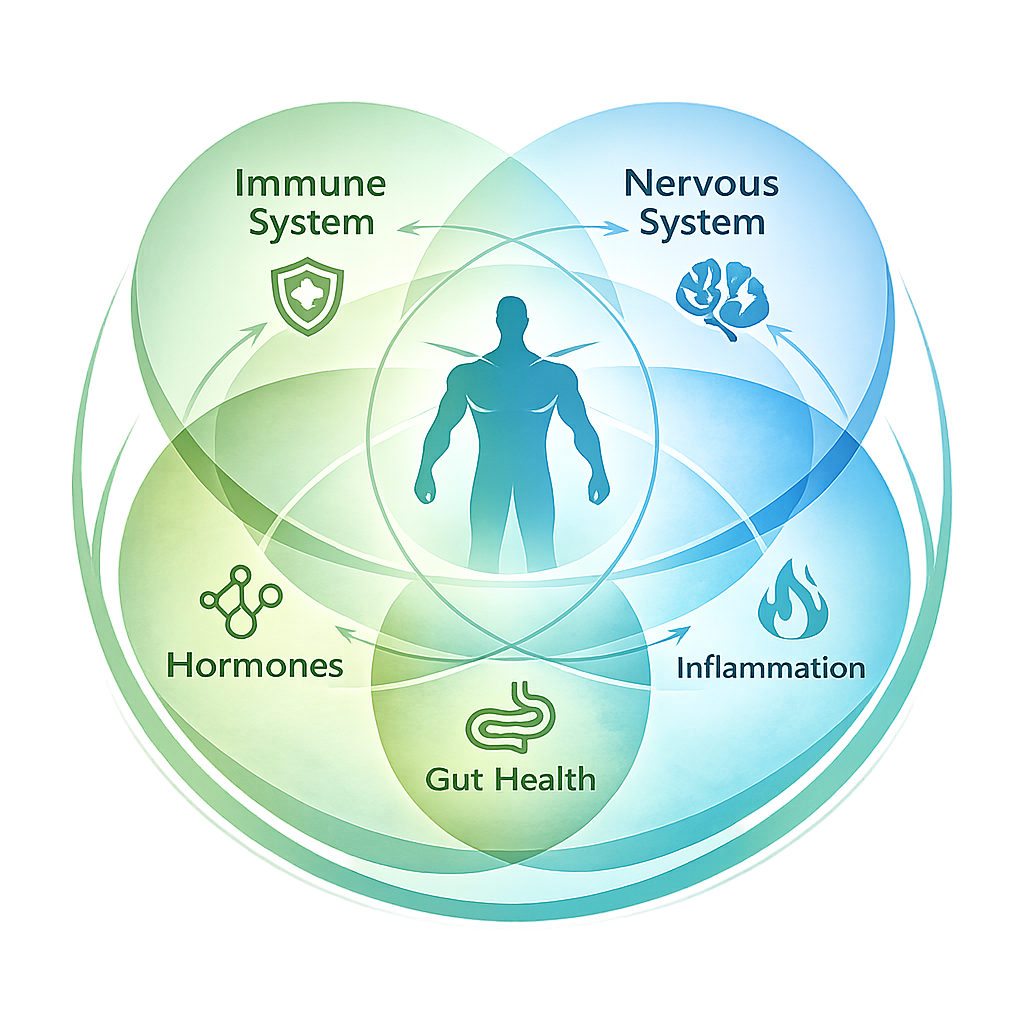
These drivers often overlap, creating a complex cycle that simple hormone therapy or antidepressants rarely fully resolve. A whole-body functional medicine approach examines the interconnections between immune function, nervous system regulation, gut health, and detoxification to create a more complete picture.
Common Root Causes & How Functional Medicine Can Help
Functional medicine looks for the “why” behind your symptoms. Potential contributing factors we investigate include:
Immune Dysregulation & Semen Hypersensitivity — Some research suggests POIS may involve an immune or allergic-type response following ejaculation. We aim to support immune balance and reducing exaggerated inflammatory responses.
Neurological & Autonomic Nervous System Imbalance — Calming an overactive sympathetic response and supporting healthy neurotransmitter function.
Chronic Inflammation — Identifying and lowering systemic inflammation through nutrition, gut healing, and targeted supplements.
Hormonal & Metabolic Factors — Assessing testosterone, cortisol rhythms, and blood sugar stability when relevant.
Gut-Brain Axis & Microbiome Health — Since gut health influences immune and neurological function, imbalances in gut health may contribute to symptom severity.
Environmental Triggers — Toxin burden or sensitivities that may amplify immune reactivity.
Our personalized plans often include anti-inflammatory nutrition, gut-healing protocols, immune modulation, nervous system support (stress reduction, sleep optimization), and targeted testing (hormones, inflammatory markers, gut health, etc.). The goal is to reduce the frequency and severity of POIS episodes and help you reclaim intimacy and daily function.
Our Approach to POIS: Individualized, Root-Cause Care
Because POIS is multifactorial, no two cases look the same. We begin with a thorough intake and advanced testing to map your unique triggers — then build a treatment plan designed specifically around you.
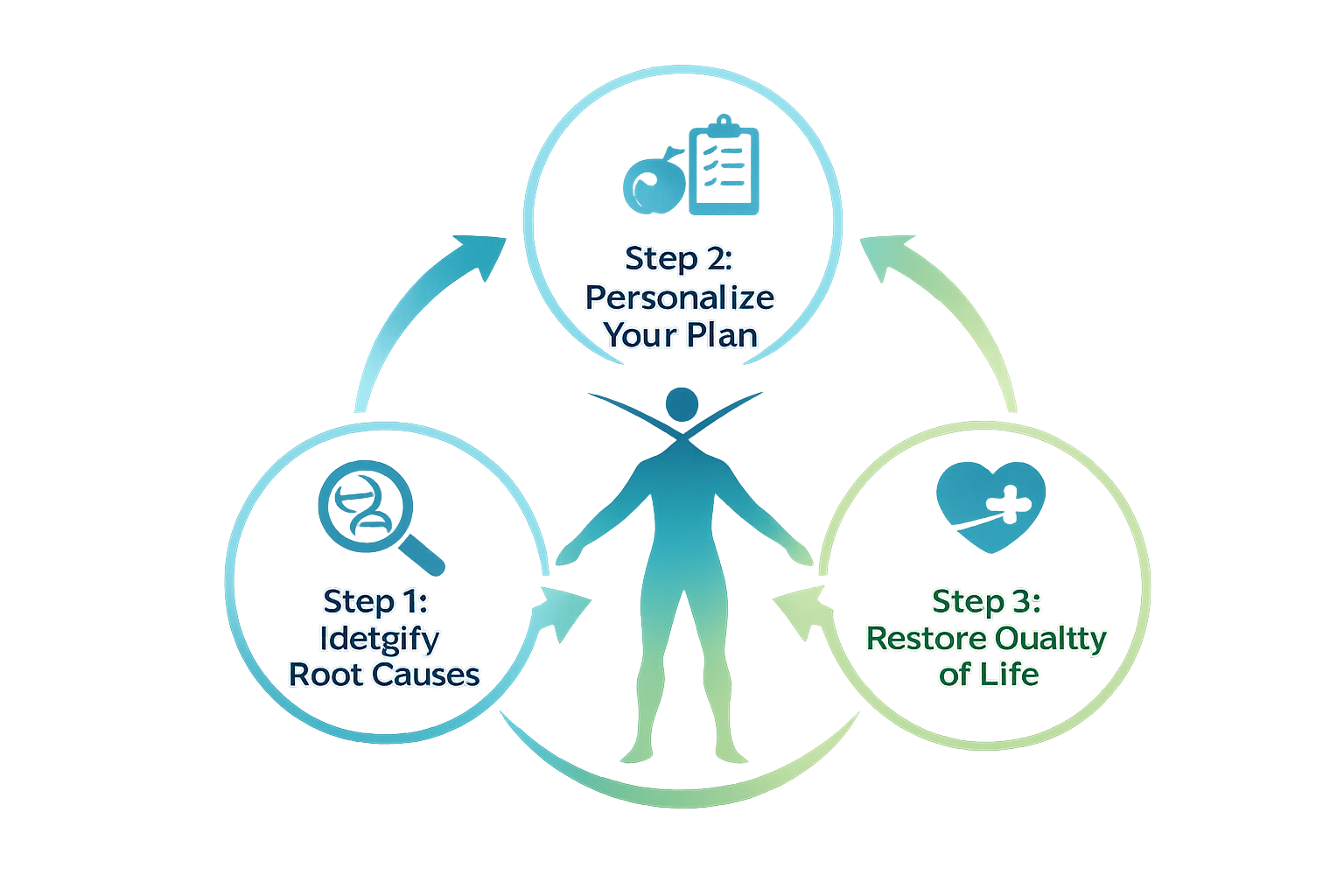
Step 1: Identify Underlying Drivers
We evaluate the full picture, including:
Immune and inflammatory markers
Hormone levels (testosterone, cortisol, prolactin)
Gut health and microbiome
Nutrient status
Nervous system function
Step 2: Build Your Personalized Plan
Treatment is tailored to your results and may include:
Immune & Inflammatory Support — Reducing inflammatory triggers and supporting immune balance to minimize cytokine-driven symptoms.
Neurological & Neurotransmitter Support — Addressing dopamine and serotonin balance to improve brain recovery after stimulation.
Hormonal Optimization — Restoring balance across key hormones that influence immune response and recovery.
Gut Health Restoration — Improving digestion and microbiome balance, which plays a central role in immune regulation.
Nervous System Regulation — Lifestyle and therapeutic strategies to build resilience and improve recovery windows.
Step 3: Reduce Symptoms & Restore Quality of Life
As underlying imbalances are addressed, many men experience:
Reduced symptom intensity and duration
Faster recovery after orgasm
Improved energy and mental clarity
Greater overall resilience
Frequently Asked Questions

-
POIS is not fully understood, but research suggests it may involve immune, neurological, and inflammatory responses rather than a single cause.
-
Hormones can play a role, but POIS is typically more complex and involves multiple systems in the body.
-
Many patients find improvement by addressing underlying factors such as inflammation, immune balance, and nervous system function.
-
No. While stress can influence symptoms, POIS is increasingly recognized as a physiological condition involving multiple body systems.
-
POIS is considered rare and likely underdiagnosed. Only a few hundred cases have been documented in medical literature, but many men suffer in silence due to embarrassment or lack of awareness.
-
Not necessarily. Our goal is to help you manage and reduce symptoms so you can enjoy intimacy without the heavy burden of prolonged POIS episodes.
You Don’t Have to Live Like This Anymore
Living with POIS can feel isolating and exhausting — but you don’t have to navigate it alone.
If you’re ready to move beyond symptom management and explore the real underlying causes, we’re here to help.
Our functional medicine approach focuses on the immune, neurological, and inflammatory factors that drive POIS, offering hope for fewer symptoms and more freedom in your life and relationships.
Ready to take the next step?
More Light reading. Check out our related Blog posts
Antacids and Antibiotics Raise Allergy and Automimmune Rates
Viral Infections Linked to Inflammatory Diseases and Autoimmunity