
Written by Dr. Craig Mortensen, DC, IFMCP, QME, IFM-Certified | November 2026
You finish lunch, you go back to your desk, and 45 minutes later (or maybe even 10 minutes later!) you're reading the same email for the fourth time. Your eyelids feel like they weigh ten pounds each. You’re wondering if anybody will notice if you just lay your head down for a minute and close your eyes.
This week, millions of people will feel it after Thanksgiving dinner and blame the turkey. But if you're tired after eating on a regular Tuesday, with no turkey and no pumpkin pie anywhere in sight, the turkey has a pretty solid alibi. Something else is going on.
So why do you get so tired after you eat? Most of the time, fatigue after eating comes down to four things: blood sugar swings, insulin resistance, food sensitivities, and gut problems. A big meal will make anybody a little sluggish. That's normal. But feeling wiped out after most meals is NOT normal, and it's not something you just have to live with. It's one of those many clues we pay attention to in functional medicine. So let’s get to the bottom of why this might be happening.
Is It Normal to Feel Tired After Eating?
It is normal to feel a LITTLE tired after eating, of course. Digesting a meal takes work, and your body shifts into "rest and digest" mode to get the job done. Eat a huge plate of food at 1 p.m., right when your natural circadian rhythm dips, and you'll feel it.
However, there is a big difference between "I could relax for a bit" and "I need to lie down right now." If you crash after most meals, need caffeine to get through every afternoon, or get brain fog every time you eat, your body is sending a signal that needs to be taken seriously.
Let's go through the usual suspects.
Blood Sugar Crashes: The Most Common Reason You're Tired After Eating
When you eat a meal heavy in refined carbs, like bread, pasta, rice, chips, sweets, or a big sugary drink (soda or sweetened tea), your blood sugar shoots up fast. Your pancreas answers with a surge of insulin to bring it back down. When things are working well, that looks like a gentle hill. When they aren't, you get a rollercoaster: a sharp spike, an oversized insulin response, and then a drop that leaves you foggy, sleepy, shaky, or irritable, and somehow hungry again an hour or two later.
Once you are already insulin resistant, you may not need to eat a super carb-heavy meal to get the same crash. Eventually, you become sensitive to any carbs in the meal - this is a real red flag.
Think of it like throwing a big pile of newspaper on a campfire. You get a huge flash of flame, and two minutes later you're sitting there in the dark. Protein, fat, and fiber are the logs. They burn slow and stead, this is what our body likes!
Here's a quick self-check. Do you feel tired one to two hours after eating, especially after carb-heavy meals? Does a high-protein meal leave you feeling better than a bagel does? If you answered yes to either, blood sugar is high on the list.
Insulin Resistance: When the Crashes Become a Pattern
If blood sugar spikes and crashes happen day after day, year after year, your cells can start ignoring insulin. That's insulin resistance. Picture someone pounding on your door all day long. Eventually you stop answering. Your pancreas responds by pounding harder, making more and more insulin to do the same job.
The problem is that insulin resistance can sneak up on you for years before a standard fasting blood sugar test looks abnormal. Meanwhile, it often shows up in other ways: fatigue after eating, sugar cravings, weight that loves to settle around your middle, trouble losing weight, constant hunger, and energy that's all over the map.
That's why we don't just look at fasting glucose. We don’t even just look at glucose and HbA1c in our office; we go a step further and check fasting insulin, which is the best number for catching early signs of insulin resistance. Catching insulin resistance early is one of the best things you can do for your long-term health, because it doesn't stay in its lane. It's tied to heart disease, hormone problems, and more.
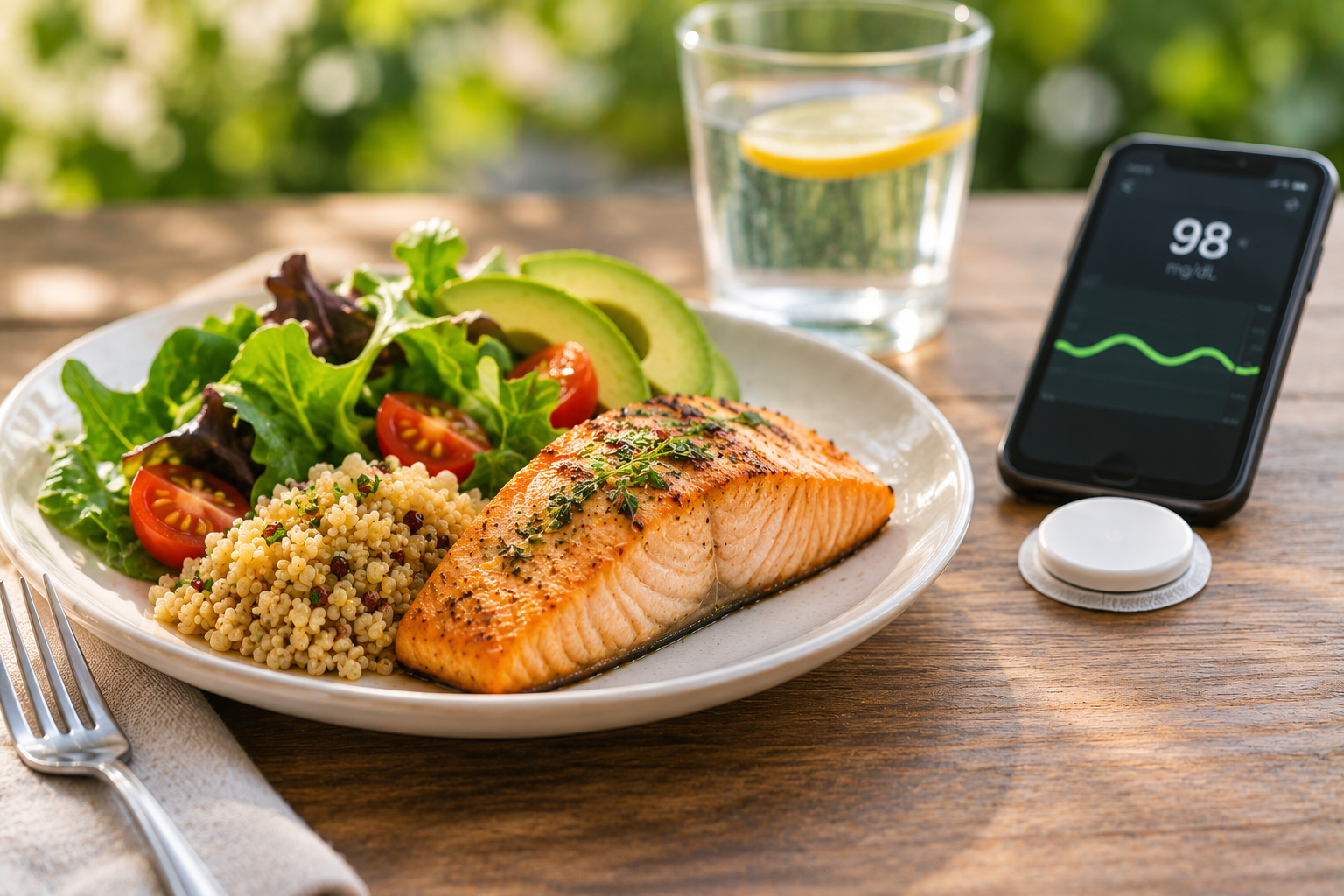
Many of our patients wear a continuous glucose monitor or check their blood sugar with a glucometer after meals to see what's going on. That can be a really useful screening clue, but it's not a diagnosis. I find it extremely useful for people to see which foods are actually causing the spikes and which foods keep them steady after meals. In fact, I think the continuous glucose monitor makes a huge difference in helping patients make real, lasting changes. Please note: if you take any medication for diabetes or blood sugar, do not change your dose or timing based on home readings. Talk to your prescriber first.
Crashing every afternoon and craving sugar to get through it? Those are classic early signs of blood sugar trouble, and we can test for them before they turn into a diagnosis.
Food Sensitivities: When Your Body Is Fighting Your Food
Food sensitivities are a topic not widely understood in Western medicine. Fortunately, they're getting much more attention and, therefore, research. If you regularly eat a food your immune system doesn't get along with, your body may respond with a low-grade inflammatory reaction. For some people, that doesn't show up as an obvious stomach ache. It shows up as a heavy, drugged feeling, brain fog, headaches, or achy joints, sometimes hours after the meal.
Because the reaction can be delayed, it's really easy to miss. You had a sandwich at noon and felt lousy at 3, so you blame your afternoon instead of your lunch.
Gluten and dairy are common offenders, but it varies a lot from person to person. Everybody is different, and we do not believe in one-size-fits-all. Food sensitivities can also go hand in hand with inflammation and autoimmune conditions.
Helpful hint: keep a simple food and energy journal for two weeks. Write down what you ate and how you felt 1, 2, and 3 hours later. Patterns jump out faster than you'd think. A structured elimination diet or testing, guided by a practitioner, can take it from there. Sometimes reactions to food can take up to a week. This makes the diet diary extremely important in tracking foods and symptoms.
Gut Issues: When Digestion Itself Is Draining You
Your gut has one job at mealtime: break food down and absorb it. When that process isn't working, it costs you energy.
Low stomach acid is more common than most people realize. You need enough stomach acid to break down protein and absorb nutrients like B12 and iron. It tends to decline with age, and acid-blocking medications like PPIs lower it on purpose. When food isn't broken down well, it can sit in your stomach like a brick, leaving you bloated, heavy, and tired. Over time, poor absorption can contribute to low B12 or iron, both of which are well-known causes of fatigue. Check out our blog on how to test for low stomach acid at home.
*If you're on a PPI or any other prescription medication, don't stop or change it without talking to your prescriber. Stopping some acid blockers suddenly can cause rebound symptoms, and you may be on it for a good reason.
Gut imbalances like SIBO (small intestinal bacterial overgrowth) are another culprit. When bacteria overgrow where they don't belong, they ferment your food before you can absorb it. That means gas, bloating, and often a wave of fatigue after meals. If you get bloated and exhausted after eating, especially after carbs or high-fiber foods, SIBO deserves a look.
*Some patients do well with digestive support, such as a quality digestive enzyme with meals, available through our store. But don't use digestive supplements that contain betaine HCL (supplemental stomach acid) if you have ulcers or gastritis, or if you take NSAIDs (ibuprofen, naproxen, aspirin) or corticosteroids, because they can irritate or damage the stomach lining. If you take blood thinners or any other medication, check with your provider before starting any supplement. Learn more on our gut health and digestion page.
*These statements have not been evaluated by the Food and Drug Administration. This product is not intended to diagnose, treat, cure, or prevent any disease.
What Else Can Cause Fatigue After Eating?
Blood sugar, insulin resistance, food sensitivities, and gut issues cover most of what I see, but they aren't the only possibilities. Alcohol with meals is a sedative, plain and simple. Poor sleep makes every one of these problems hit harder (insomnia is worth fixing on its own). Also, fatigue that never really goes away can be connected to thyroid problems, cortisol and adrenal imbalances, anemia, or sleep apnea. That's why a proper workup matters more than guessing.
How to Stop Feeling Tired After Eating
You don't need to overhaul your whole life to feel a difference. Start here.
Build every meal around protein, healthy fat, and fiber; make the starches a side dish instead of the main event. Eat your protein and vegetables first and save the carbs for the end of the meal. Research suggests that food order can noticeably blunt the blood sugar spike. Don't skip breakfast and then eat a giant lunch, because that sets you up for a bigger spike and a harder crash.
After you eat, move. Even a 10- to 15-minute walk after a meal helps your muscles pull sugar out of your bloodstream; I prefer 20 minutes. Slow down, chew your food (your stomach will thank you), and notice which meals leave you energized and which ones leave you feeling flat. This is where that glucose monitor can be quite helpful.
And yes, this week, enjoy your Thanksgiving dinner! Just maybe take the family for a walk before you go back for pie.
Tired After Eating at Work? Do This Before You Sit Back Down
This is where fatigue after eating really hurts. At home, you can sneak a nap. At work, you're stuck at a desk at 2 p.m., fighting to keep your eyes open while somebody shares their screen for a 40-minute meeting. So what do most people do? They hit the coffee pot or the vending machine. That's just one more ride on the blood sugar rollercoaster.
Here's my prescription instead: 1. Eat a low-carb meal and 2. After you eat lunch, take a 20-minute walk before you go back to work. Not a power walk, and you don't need gym clothes. Just an easy walk around the block, the parking lot, or the building.
Why does something that simple work so well? Because your muscles are the biggest sugar sponge in your body, especially your leg muscles, because they contain some of the largest muscle groups in the body. When they contract, they can pull glucose out of your bloodstream on their own, without needing as much insulin to open the door. That's a big difference when implemented as a daily habit if insulin resistance is part of your picture. A walk right after a meal catches the blood sugar wave while it's still rising, so you get a smaller spike, a gentler landing, and no crash at 2:30. You're putting the fuel to work instead of letting it pile up.
This comes with an added benefit: getting outside in daylight tells your brain it's daytime and helps you feel more alert, especially during that natural early-afternoon dip. And you get a real break from the screen, which your brain needs more than another email, along with some fresh air and a good mental break.
Can't fit in 20 minutes? Do 10. Even a few minutes of movement after eating is better than going straight from your fork to your chair. Taking the stairs, a lap around the office, or a walking phone call all count. When you take that bathroom break, walk to the furthest restroom, maybe even the restroom on the next floor up to get some stairs in.
Set yourself up before lunch even starts. Pack a lunch built around protein and vegetables instead of grabbing a sandwich and chips, and step away from your desk to eat it. Eating while you answer emails means you inhale your food without noticing, and your digestion pays for it.
Try it for one week. Eat a real lunch, walk for 20 minutes, then go back to work. Pay attention to how you feel at 3 o'clock. I think you'll be surprised.
When to Get Help for Tiredness After Eating
If you're tired after eating most days, if it's getting worse, or if it comes with sugar cravings, weight gain, bloating, or brain fog, don't keep pushing through it with another cup of coffee. Covering up the symptom doesn't fix the reason it's there. Talk with your healthcare provider before making changes to your health routine, and push for answers about the root cause.
If you're ready to find out why your meals leave you exhausted and get your afternoons back, call us to schedule a consultation. We offer both in-office and telehealth appointments for patients.
Be Healthy, Be Happy!
I'm Dr. Craig Mortensen
Written by Dr. Craig Mortensen, DC, IFMCP, QME, IFM-Certified Functional Medicine Physician and founder of Premier IFM in Placentia, CA, serving patients throughout Orange County and Southern California.