
Homocysteine: A Window Into Your Heart Health
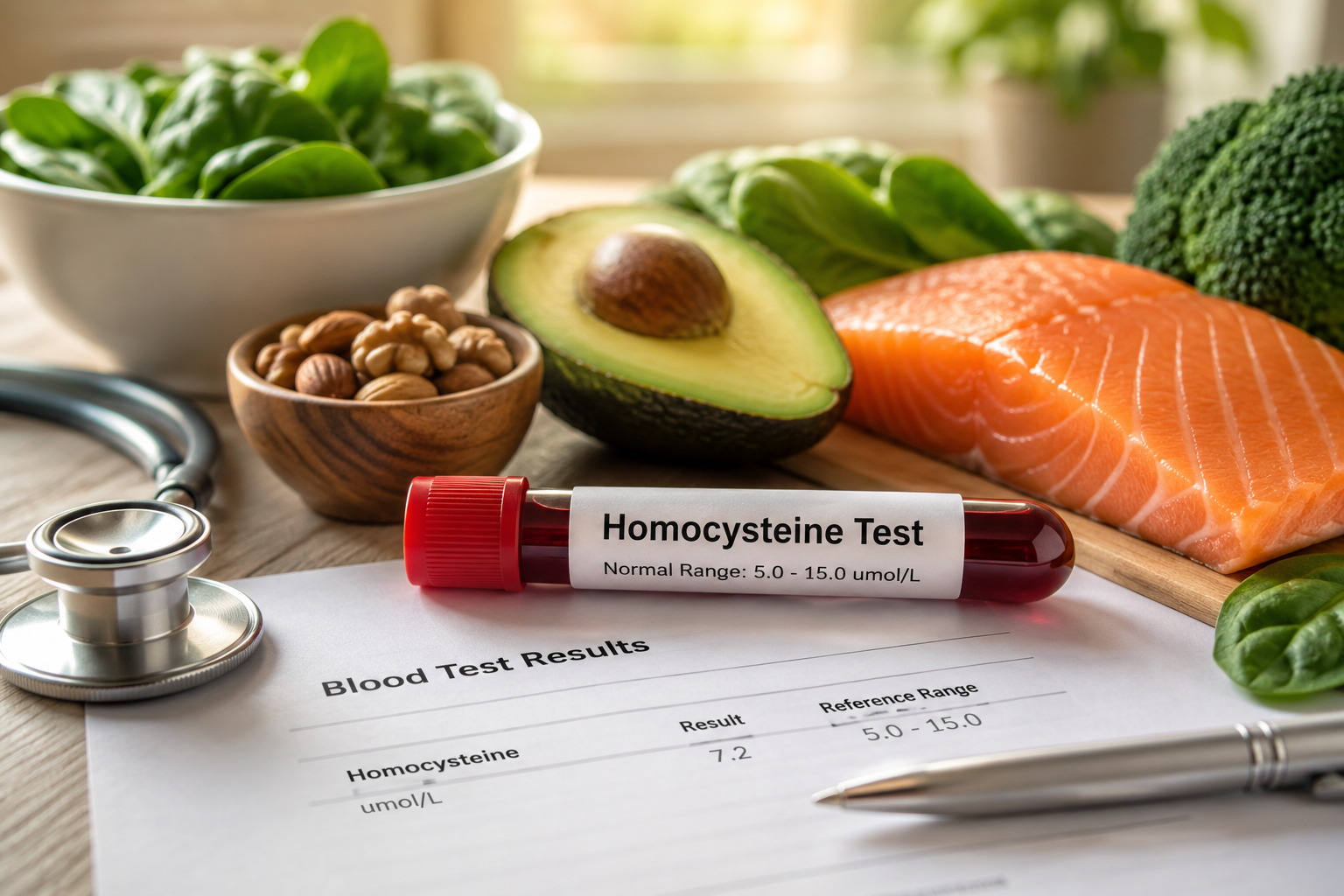
Homocysteine is one of the most valuable functional medicine markers for evaluating cardiovascular, metabolic, and overall health.
Dr. Craig’s favorite blood marker — and why it should matter to you.
What is Homocysteine?
Before we get into why, we first need to understand what homocysteine actually is. Homocysteine is an amino acid your body naturally produces when it breaks down proteins. Under normal circumstances, B vitamins — B6, B12, and folate — help convert homocysteine into other essential substances your body needs.
Back in the 1960s, researchers discovered that homocysteine is actually an atherogenic amino acid, meaning high levels can damage the lining of your arteries and contribute to plaque buildup in the blood vessels. These plaques are what lead to heart disease, blood clots, stroke, and heart attacks.
When homocysteine interacts properly with B vitamins, it can be converted into methionine and cysteine.
Methionine is an essential amino acid involved in protein production and many important cellular functions.
Cysteine helps support antioxidant production, reduce inflammation, improve liver function, and support immune system communication.
Homocysteine is truly a window into your overall health.
Why Is High Homocysteine Bad?
High homocysteine can damage the lining of your arteries and contribute to plaque buildup and cholesterol oxidation. Elevated levels can also increase the risk of blood clots and blockages in blood vessels — all of which raise your risk of heart attack, stroke, and atrial fibrillation.
Research has shown that homocysteine acts as a continuous risk factor — meaning as levels rise, risk rises with it. There does not appear to be a single “safe cutoff.”
Homocysteine Is Part of a Bigger Health Picture
In functional medicine, we do not view homocysteine as a standalone cause of heart disease. Instead, it is best viewed as a risk marker and a clue that something deeper may be going on in the body.
Elevated homocysteine can reflect issues involving, nutrient deficiencies, genetics, kidney function, inflammation, metabolic health, and lifestyle habits — root cause health care.
This is why homocysteine is such a valuable lab marker. It gives us a broader picture of how well the body is functioning and whether there may be underlying imbalances contributing to long-term cardiovascular and cognitive risk. Rather than focusing on a single number alone, homocysteine should be considered one piece of a complete cardiovascular risk assessment.
Dr. Craig likes to see homocysteine levels under 8 μmol/L, — slightly lower than the standard upper limit of 10.3.
Research shows that people with levels in the 12–15 range begin showing noticeably higher risks for cardiovascular disease, stroke, cognitive decline, and mortality. Newer studies suggest cardiovascular and cognitive risks may begin increasing even earlier, including within the high-normal range.
Beyond heart disease, high homocysteine has also been linked to:
Cognitive decline (dementia and Alzheimer’s disease)
Mental health disorders
Bone disease (osteoporosis)
Psoriasis and other systemic health problems
Why Would Homocysteine Be Elevated?
Genetics
There are several genetic causes of elevated homocysteine (homocystinuria or hyperhomocysteinemia). The most well-known involves mutations in the MTHFR gene.
Two other, more severe genetic causes include:
Mutations in the CBS (cystathionine beta-synthase) gene
Defects involving methylcobalamin synthesis
These conditions can cause toxic levels of homocysteine to build up in the blood.
Nutritional Deficiencies
Low levels of:
Folate
Vitamin B6
can impair the body’s ability to properly process homocysteine.
Strict vegan diets without proper supplementation may increase the risk of B12 deficiency.
Lifestyle Factors
Certain habits impair absorption or utilization of B vitamins and may raise homocysteine levels:
Smoking: Tobacco use damages antioxidant systems and interferes with B vitamin metabolism.
Excessive alcohol consumption: The liver handles much of methionine metabolism, and alcohol impairs both liver function and B vitamin storage.
Poor diet: Highly processed foods may contain synthetic vitamins in forms that are not easily utilized by the body.
High coffee intake: Excessive coffee consumption may contribute to depletion of certain B vitamins.
Sedentary lifestyle: Regular movement appears to help the body process homocysteine more efficiently.
What Can You Do to Lower Homocysteine?
Improving your health is never a quick fix. The changes you make to improve your body benefit your health across the board. Our best advice? Set goals for yourself. Some people do better jumping all in, while others do better making one small change at a time. Either way, consistency matters.
Food
What you eat matters — a lot.
Our bodies were not designed to live on highly processed foods. While many processed foods are fortified with vitamins and minerals, those nutrients are often not in forms the body uses efficiently.
Whole, natural foods provide the macro- and micronutrients our bodies need to function properly. Researchers even believe there are beneficial compounds in real foods we still haven’t fully discovered.
Focus on foods naturally rich in B vitamins and folate, including:
Leafy greens
Eggs
Liver
Salmon
Legumes
Avocados
The closer we eat to nature, the better our bodies tend to function.
Lifestyle - Move, Move, Move!
Weight Training
Muscle is metabolically active tissue. When you strength train regularly — ideally 3–5 days per week — you burn calories not only during exercise, but throughout the day, even at rest.
When lifting weights, the resistance should feel challenging. If you can easily do 15 reps, the weight is probably too light to build muscle effectively. Ideally:
8–10 reps should feel difficult
Once you can do 12 comfortably, increase the weight
Benefits of strength training include:
Reduced abdominal fat
Better balance and reduced fall risk
Lower injury risk
Improved blood pressure
Better blood glucose regulation
Increased bone density
Improved mental health
Better brain health
Walking
Walking is one of the best habits you can build into your daily life.
I personally love walking after dinner. Walking after meals helps regulate blood glucose, which can improve sleep quality. Evening sunlight exposure also helps support your circadian rhythm.
Walking:
Improves circulation
Reduces aches and pains
Supports glucose control
Improves mood and sleep
And walking is for everyone. You do not need to walk fast or far to start benefiting. If you can only walk to the end of your street today, start there. Then slowly build over time.
I personally aim for a 45-minute walk after dinner every day. Even on weight-training days, I still get my walk in.
Honestly, the days you least want to walk are often the days you need it most.
Find Outdoor Activities You Enjoy
Bike rides, pickleball (we all know how much Dr. Craig loves pickleball!), hiking, surfing — anything that gets you moving consistently is beneficial.
Dr. Craig and I love taking a weekly mountain bike ride together, usually followed by a nice meal out.
Genetics and Supplementation
We like to say around here, “Genetics loads the gun, environment pulls the trigger.”
About 30–50% of the population may carry some variation of the MTHFR gene. This does not automatically mean disease, but it may affect how efficiently the body processes folate.
For many people with MTHFR variants, methylfolate — the active form of vitamin B9 — may be better utilized than synthetic folic acid. Folic acid requires multiple conversion steps before becoming active in the body. Some individuals do not perform this conversion efficiently.
This is one reason we recommend being cautious with:
Highly processed fortified foods
Many inexpensive supplements
Standard grocery-store multivitamins
Fortified processed foods do not contain nutrients in the forms your body best utilizes. It’s also worth knowing about California’s new law that went into effect in January 2026 requiring all corn tortillas to be fortified with folic acid (not methylfolate).
The Bottom Line
Homocysteine is one of the most underappreciated markers in conventional medicine — yet it tells us so much about what’s happening inside your body. The good news is that it responds well to the right nutrition, lifestyle changes, and targeted supplementation. Small, consistent changes add up. Start where you are and build from there.